Visar inlägg med etikett awesomeness. Visa alla inlägg

torsdag, augusti 10

Why Kindred of the East is better than Vampire.

There seem to be a lot of disdain for Vampire - Kindred of the East at least among swedish fans of the World of Darkness, which has always bugged me as I consider KotE more or less my favorite RPG of all times. As I've recently become reacquainted with WoD after a long hiatus, and learnt about the upcoming Vampire 5th edition, it felt like it was due time to write a defense of Kindred of the East. This post will be in two parts. First, I'll briefly discuss why I think people dislike KotE, and whether those reasons are valid. Then, I'll argue why I consider KotE to actually be a better RPG than Vampire the Masquerade (not that I don't love that game, too).

Reasons to dislike Vampire: Kindred of the East


It's orientalist: KotE should have been done by people with a better knowledge of Asian culture and daily life and a bigger commitment to Asian mythology, and less Japan-fetishism. As it was, it often felt clichéd and exotifying. (Having both lived in China and studied Asian history and religion, one of my dreams as an RPG writer would be to get to work on a complete remake of KotE, and fix these issues).
Verdict: Valid.

It has a very eclectic art style: True, but so does most WoD games, Vampire included.
Verdict: Invalid.

It has a bad rules system, shock full of power creep and utterly imbalanced options: So does all WoD games. However, KotE was especially bad in this regard, especially when combined with Vampire, as the powers of the Wan Kuei and the Cainites really didn't mesh well. A few things, like the KotE take on Fortitude, were simply better done than in Vampire the Masquerade, but mostly it's a disaster.
Verdict: Partly valid.

The disciplines are bad: Well designed Vampire-disciplines have a clear theme and a stringent and intuitive power progression, Obfuscate and Dominate being great examples, but even oddball ones like Dementation and Obtenebration work relatively well. Badly designed Vampire-disciplines are completely random to the point of being silly, and have no good coherent theme - Serpentis is the worst of the lot (why, dear god why doesn't the Setites all just have Setite Sorcery instead?). Almost all of the KotE disciplines are like Serpentis.
Verdict: Valid.

It's silly: Absolute not, though it's certainly more urban fantasy-themed and superlative than Vampire. But that's part of it's awesome, as I'll soon argue.
Verdict: Invalid.

It's too complicated: I have seldom seen as inaccessible a game as KotE. The philosophies and nature of the Wan Kuei are very, very complicated and occasionally convoluted, the disciplines are very eclectic and hard to remember, and the advancement of dharma is not explained well enough. The Wan Kuei are very challenging beings to portray. But that is also part of why KotE is actually good, as I'll argue later.
Verdict: Partly valid.

It's a crossover orgy: Yes. I shall argue that it makes it a stronger game, not a weaker one.
Verdict: Invalid.

Reasons that KotE is actually better than Vampire


It has a cooler setting:  Asia has a stronger contrast than the West between old and new, and this contrast enhances the themes about immortal beings. Asian cities are enormous and vibrant and shabby and seedy in a way few western cities can match, all the while being steeped in mind-blowing antiquity. The Vampire book Cairo by Night had this too, but it was basically the best city book for Vampire.

It builds on a cooler cosmology: The buddhist cosmology is grossly underappreciated in western fantasy. It has a conceptual stringency the abrahamic cosmology lacks, with a fascinatingly elegant feel to its clear categories of beings and existential concepts. Its lack of a supreme God, its many different realms of existence, its cyclic worldview and unyelding cosmos ruled by suffering that can only be mitigated by insight has enormous potential when mixed with contemporary fantasy themes, as proven by KotE, if not taken to its fullest potential.

It knows what it is about: Vampire has always felt schizophrenic to me. It claims to be about the personal horror of the Beast, but the Beast is rather sidelined by the rules system, and we almost never get to see a vampire who has actually fallen to the Beast. Is Vampire about intrigue? Sure, but what are they really plotting about? KotE, by contrast, has a clear sense of purpose - you portray undead beings resurrected due to a karmic debt, that they now have to repay by fighting the Yama kings and searching for dharmic insight.

It has better villains: The Yama Kings are amazing creations. The Thousand Hells book gave them complicated and nuanced personalities and colorful and terrifying hellish realms to rule, and made them feel tragic yet extremely threatening; ancient, twisted beings, both pitiful and loathsome. They have clear agendas, cool minions, and are super-easy to use as a catalyst to create a story.

Its vampires have better backstories: The fact that Wan Kuei are not Embraced, but risen from the dead due to karmic debt and a tragic fate in their stained past life makes for amazing backstories. It roots them in humanity yet gives them a feel of being both chosen and cursed, both blessed and tragic.

Its vampires cannot create new vampires: This is something I've grown to dislike somewhat with Vampire - the Masquerade. The fact that vampires can, at-will, create new vampires makes the whole concept feel somewhat cheap, and dilutes the tragic aspects of vampirism - in Vampire, quite a lot of vampires would basically be vampires just because they wanted to. KotE is the whole other side of the coin; here, vampirism is -always- a curse, and humans cannot be made vampires through any effort on part of the Wan Kuei. This has several important consequences:
- The relationships between Wan Kuei and mortals are more tragic, as there's no easy way out from the problem of time.
- Any Wan Kuei is valuable: Any time one turns up, others try and calm her and care for her and see what purpose she might fill.
- Any Wan Kuei is who she is for a reason. (See 'better backstories', above).

Much, more more is done with the Beast: It's a huge irony that KotE handles the Beast much better than Vampire, the game that was supposed to -be about- the Beast. In KotE, in stark contrast to Vampire, the Beast has a personality and an agenda, you can draw on its strength, but do so at your own peril, several disciplines deal with the Beast in various ways, and the writes even suggest the Wraith - the Oblivion concept of having a shadowplayer, which I cannot even fathom why they never used in Vampire.

It's a big crossover with Wraith and Werewolf: So all Wan Kuei have Lifesight and Deathsight, and they all, to some extent, deal with wraiths and spirits. They have rituals to journey into hell itself. The game's books at length elaborate on the spirit worlds and how they interconnect with the mortal realm. I think these themes strengthen the dark urban fantasy atmosphere the game is supposed to evoke, and enriches it immensely. Wan Kuei is given more to -do-, plain and simple, more roles to fill in the world. KotE becomes so colorful and full of mystery.

They have no generation, but a dynamic power level:
Instead of being locked into a power level slot by birth, and only being able to increase it through soul-drinking murder, the Wan Kuei must gain insight into the workings of their nature and the world in order to increase in power. Is it less tragic and unfair than Vampire? Certainly. But it's also more dynamic, and makes the very process of leveling up a fascinating personal and spiritual journey. The game even went to some length to describe how a dharma-increasing moment of insight felt, thus merging the rules with immersion into the setting and the story.

Salvation is possible: Tightly connected to the previous point. Like with the previous one, I'll understand people who prefer the harshness of Vampire the Masquerade here, but I dislike utterly hopeless settings. I like vast, dark worlds with a tiny sliver of distant hope attained through enormous and patient effort, and that is basically the concept of buddhism - as such, it meshes perfectly with what they chose to do in KotE. Salvation waits at dharma 10. But has anyone even reached that level, ever?

The coteries are justified:
Vampire did a poor job at explaining why exactly a group of very random vampires (the PCs, that is) would hang together and what they would occupy themselves with. KotE does this much better, by creating a traditional five-fold group, the Wu, where you would ideally have members of five different dharmas following five different directions. In practice, few Wu looked like this, yet their traditional structure and concepts like sharing a guardian spirit made the Wu a much more interesting structure than the coterie ever was.

The winds are super cool:
In KotE, each vampire choses a wind direction, which symbolises a pathway she is then expected to follow. A vampire of the eastern direction is expected to nurture the mortal world, a vampire of the western direction is supposed to nurture the wraith world, a vampire of the south is expected to be a warrior, etc. These concept made for very interesting characters when combined with the dharmas (the clan equivalent) and the nature/demeanors, which gave great possibilites of both deconstructing stereotypes or going in atypical directions.

The dharmas make more sense than the clans: While the clans of Vampire are classic for a reason, many of them have always felt to me like they completely lack any kind of social organisation and would completely fall apart throughout the centuries. This is why I consider for example the Tremere, the Giovanni and the Setites among the better and more interesting clans - because they make sense, as they have distinct organisations, hierarchies and agendas. Guess what? In KotE, -everyone- has that. The dharmas are something you affiliate with -by choice-, and they have very, very distinct philosophies, motivations and organisations. They're not there just to give the PC a stereotype to belong to - they're there to give the PC -a role in the world- and something to, you know, actually -do- in the game.

The dharmas are more interesting than the clans: See above. While their philosophies were convoluted, and ought to have been described much better, the dharmas were by and large very interesting and innovative, providing some excellent conflicts and plot hooks, especially for PCs. How do you really go about being a Devil-tiger? Can you do so without being a complete monster, while not squandering possibilities to gain insight? Can you go against your nature if your dharma demands it? How do you balance the needs of your dharma with the needs of your wu?

South-East Asian folklore is fucking metal: A minor aspect yes, and closely related to "cooler setting" a few points above, but it deserves special mention. Thai, Filipino and Indonesian mythological creatures are insanely hardcore, we have for example the vagina-invading baby eating aswang and the ghost girls who are floating heads and bloody spines, and scores of other stuff crawled out of drugged nightmares, stuff that just needs to be in an urban fantasy horror game. KotE is the perfect fit for that, and already made several allusions to it (the Flesh Shintai discipline being the strongest one).

Concluding remarks


That's all I can think of for now. I understand that KotE is not for everybody, with its exotic setting and AWESOME, unashamed urban fantasy theme. I've played it way too little myself, due to its horrible rules system. But I've always found KotE much easier and rewarding game to run than Vampire, finding it both more colorful, interesting and tragic all at the same time. Compared to Vampire - the Masquerade, Kindred of the East has more fascinating vampires, more tragic themes and much clearer conflicts and more solid roles for the PCs to play, altogether making it a stronger game.


måndag, september 30

FFF 2013

I've just come home from a full day of movie-watching at this year's incarnation of Lund's Fantastic Film Festival; having already seen all the movies on my 5-card together with meimei, I don't know if I'm gonna see any more; I already feel quite satisfied, never before has the average grade of the movies I've seen at FFF been this good (which is ironic, considering that at first I wasn't too impressed with this year's program). If I do see any more films, I'll update this post later, right now, I just need to get something of what I've seen out of my system because I feel so inspired and affected and wanna share some great films with my friends. The main function of this post will actually be to give more or less spoiler-free recommendations, but certain friends of mine; if you don't want even the slightest spoiler, you'll just have to take my word on that you need to see the movie in question.

This friday, we started out strongly with The Machine. It's a moody british cyberpunk movie that does an absolutely amazing visual job out of a tiny-winy budget, and manages to both look and seem like the production values were ten times greater. There's only a short teaser trailer out this far:


The plot is not very original (and yes, the military-industrial complex is evil...), but it does handle some themes in slightly new and inventive way, and because I've just spent a year or more writing Neotech X, it's great to see a good cyberpunk movie that, just like NX, tries to re-invent the genre a bit, take it away from the dated 80s feeling, and make use of more up-to-date issues and sentiments regarding technology. The movie especially might surprise you a bit on how the 'doomsday' theory of technological singularity, as seen in for example The Terminator franchise, is handled rather differently.

My rating: In the end I gave it a 4 out of 5. It's very good, and has good acting and a great atmosphere, but the world felt a bit too constrained, and I really dislike the ending scene for some reason.  

People I know who needs to see this one: Martin Fröjd, Joel, Björn


Next in line; OXV: The Manual, also from Britain. This is a quirky philosophical/scientific romance story set in an alternate world with weird natural laws. I don't want so say too much about it as I feel certain people I know will absolutely adore it but should see it with an open mind and heart, but the basice premise is that people have certain frequencies, and people with pronounced frequencies are geniuses. If their frequency is really high, they'll be extremely lucky and succesful in everything, but completely emotionally dead. If their frequency is really low, however, they'll be unlucky losers with lots of emotions. The main characters are a boy with the school's lowest frequency and a girl with the scool's highest; whenever they meet, nature freaks out because they are so incompatible, and bisarre things happen.

This is not a truly bizarre movie, it has a miniscule budget and does not rely a lot on special effects, so don't come expecting the special effects/high concept-type of quirkyness. The odd premise is instead primarily used to explore the psyches of the main characters, and later on the potential consequences of certain radical discoveries they've done. It actually manages to have something in common with the italian book/film The Solitude of Prime Numbers, in how it portrays the main characters and their psychologically impossible relationship develop from childhood to adulthood (In the italian book/film, the main characters has the idea that he and the girl are different prime numbers and therefore they can never meet). As far as I know there's no trailer released yet, so I give you a picture of the main characters as adults for filler instead, isn't that guy just dreamy?:


My rating: The acting is great both in the child actors and the adults, the plot is intelligent and emtional, if a little bit disjointed at times, the premise is tought-provoking and utterly brilliant, and in generally they've done such an amazing job with tiny resources to make this movie outstanding. I didn't hesitate to give it a 5 out of 5.

People I know who needs to see this one: Joel, Björn, Alva, Elin, Kalle, Bunny


Then came Mars et Avril, a french-canadian movie that I can only properly describe in swedish: gubbsjuk och totalt spejsad. To try to put it in english, it's the kind of surrealist pretentiously freudian move where young girls somehow randomly has an uncontrollable lust for the flesh of fat bearded old Hemingways who spend their time making celebrated music on handmade instruments designed like voluptuous women's bodies. At the same time, there's a Mars landing going on, and these two themes are drawn together by the Music of the Spheres, and of course I adore that they used that supermega-awesome ancient philosophical concept, and the movie is visually amazing and ethereal beyond the level of even The Fountain, and creates a visually compelling portrayal of a distant future Montreal with fashion and hairstyles that all look like they were designed by Alexander Bard on crack. All these good things, unfortunately, does not take away from the fact that this movie is essentially about boring old men having gubbsjuka and navelskådande existential crises relating to the freudian connection between their overblown ego and the universe, or something, and the pretty girl that randomly gave them a blowjob last night before being accidentaly teleported to Mars.


My rating: So no, it doesn't really work, and while very, very special and visually interesting, most of my friends would cringe if they saw it, and so did I. I gave it a 3 because it's so beautiful.

People I know who needs to see this one: None, you are all too feminist. But watch the trailer, that way you'll get to see a sample of the gorgeous visuals.


Next up was Chastity Bites, an american high-school horror flick made on, to quote the director, "the catering budget of The Avengers". While the lack of budget shows a bit in this one, and the actors are a bit uneven (most critically the actress playing the villain is not very good), it's made by a writer and a director who are true horror freaks and put so much love in this movie that it's about to burst from all the obscure references. The dialogue is great, which is very important to high school movies, the absurdity at just the right level, and when they have gotten the casting right, it's amazing; the main actress is absolutely fantastic and her embittered hipster feminist genre-savvy character one of the hottest and most likeable I've seen in a long while. A cool, anti-stereotype thing they did, very consciously the writer told me, was to put an asian girl as the leader of the classical evil bimbo-girl posse. Certain geeky friends of mine will also recognize the actress of that character...


 Chastity Bites is not great because the plot is amazing or anything, which high school film is? It's great because it has a feminist slant throughout, combined with dark humor and meta-jokes. Also, it has a wild sex scene which starts with the couple discussing Simon de Beauvoir...

My rating: At FFF I gave it a 5. It's really more like a 4, and that's what I'll give it on filmtipset later, but it was extremely fun to watch and basically made with the target audience of swedish feminist geeks (this was the european premiere, and the producers were impressed by us seemingly getting all the Simone de Beauvoir references that the audiences at american film festivals didn't understand).

People I know who needs to see this one: Everybody who likes feminism and high school films, but in particular Cornelia, Joel, Alva and Maria. Also Mika because the main character looks like her.


Last but not least, and the only movie I knew about before the festival; the british vampire movie Byzantium. When I first heard about it long ago I wanted to see it because it had Gemma Arterton in it (I've liked her since the excellent 'The Disappearance of Alice Creed', shown on a previous FFF), was about vampires and was namned Byzantium, though to my disappointment I later realized it would have nothing or extremly little to do with the byzantine empire, instead being set in contemporary Britain. But I then learned it would also have the likewise excellent Saoirse Ronan and it and she and Gemma Arterton would play like vampire sisters or something...and then it was of course a must-see anyhow.

But I never expected it to be, y'know, good. I expected it to be some kind of Underworld-style movie with Gemma Arterton in tight leather pants slaughtering millions of mooks in super-effects-heavy action scenes. But even though the movie starts with a lot of Arterton in a thong, it quickly turns out to be something...very, very, very different. Byzantium has almost no action scenes, the vampires have almost no super powers, it relies heavily on dialogue and moody monologue scenes, it's more close to that british 'I'm arranging matches'-style of film, as vampire films go actually most similar to 'Let the right one in'. Without spoiling to much, it's a tale of two renegade female vampires shunned by a misogynist vampire society, being alone, hunted and haunted for two hundred years. Their contemporary life on the run is juxtaposed with flashbacks to the Regency era when they became vampires, gradually building up the series of events that led to their current situation. But  the younger of the two vampires (Ronan) is fed up and tired with their deadlocked life patterns, which builds up to a conflict with the older (Arterton), who is hell-bent on protecting the younger but don't know how (or can't muster the strength) to do it any other way.


Though of course not completely without flaws, this is among the best vampire movies made, alongside Let the right one in and Interview with the Vampire (which had the same director). The acting is amazing (Arterton in particular makes one of the most compelling performances of her career), the characters psychologically and morally complex yet very likeable, the plot is intriguing, the production values high, the lighting gorgeous. But what really sets it apart is the theme of patriarchal opression, running like a dreadful red thread between the two time frames of the story. The movie's script is apparently based on a play by a female irish playwright, which maybe sort of explains certain themes and the dialogue-driven narrative.

My rating: 5. It's among the best vampire movies ever, a huge positive surprise, entertaining and thought-provoking, but, though not exactly a pure tragedy, likely to make you somewhat depressed. It passes the Bechdel test with flying colors, though I think maybe a few people might take slight issue with the ending, as it could be argued that it robs Arterton's character of some of her agency.

People I know who needs to see this one: Alva, Frans, Björn, Joel, Bunny.


lördag, januari 28

Lyrics for Amethystium's "Shibumi"

This is a great song by norwegian artist Amethystium:


I've seen people ask for the lyrics on youtube sooo many times, so I thought I'm just gonna try to make it so that they can be found on google instead, as a small, small favor to humanity. As the lyrics are nowhere given by Amethystium, painstaking research have been used to unearth them, my only clue, originally, being that they were somewhat the same as the lyrics in Karunesh's Bombay Pure, Enigma's The Child in us, Vangelis' Bizarre Bazaar and even on the soundtrack of Diablo II. I did recognize the language as sanskrit, and I was right. I could find transcripts of the lyrics from the Enigma song, and by googling it's subject matter, find the original hymn upon which all these songs are based. It's a sanskrit hymn praising Lakshmi, goddess of wealth, and it goes like this:

वन्दे पद्मकरां प्रसन्नवदनां सौभाग्यदां भाग्यदां
हस्ताभ्यां अभयप्रदां मणिगणैर्नानाविधैर्भूषिताम् ।
भक्ताभीष्टफलप्रदां हरिहरब्रह्मादिभिः सेवितां
पार्श्वे पंकजशंखपद्मनिधिभिर्युक्तां सदा शक्तिभिः ॥

vande padmakarāṃ prasanna-vadanāṃ saubhāgyadāṃ bhāgyadāṃ
hastābhyāṃ abhaya-pradāṃ maṇi-gaṇair-nānā-vidhair-bhūṣhitām।h ।
bhaktābhīṣhṭa-phalapradāṃ hari-hara-brahmādibhiḥ sevitāṃ
pārśhve pa~Nkaja-śhaṃkha-padma-nidhibhir-yuktāṃ sadā śhaktibhiḥ


Which means:

I bow to the one who has lotus in her hand, has a pleasant happy face, who gives good fortune and destiny, gives refuge (fearlessness) with her hand (posture), who is adorned with lots of gems and other ways, who gives the very much desired fruits to the devotees, is attended upon by viShNu, shiva, brahmA and others, behind whom are lotus, conch and other opulence and who is always with power.

If you want a more thorough analysis of the sanskrit words, you can go here.

"Shibumi" uses just parts of the hymn, and it's exact lyrics would be:

Sadā śhaktibhiḥ śhaktibhiḥ pārśhve pa~Nkaja-śhaṃkha-padma-nidhibhir-yuktāṃ sadā pārśhve sadā śhaktibhiḥ sadā pārśhve sadā śhaktibhiḥ.


Hopefully this will now turn up on google, so people in the future who are looking for the lyrics of this song will find it (edit: a quick try shows that indeed, it does!). Just in case:

Amethystium Shibumi Lyrics Amethystium Shibumi Lyrics Amethystium Shibumi Lyrics Amethystium Shibumi Lyrics Amethystium
Shibumi Lyrics Amethystium Shibumi Lyrics Amethystium Shibumi Lyrics Amethystium Shibumi Lyrics
Amethystium Shibumi Lyrics Amethystium Shibumi Lyrics Amethystium Shibumi Lyrics Amethystium Shibumi Lyrics Amethystium Shibumi Lyrics Amethystium Shibumi Lyrics Amethystium Shibumi Lyrics Amethystium Shibumi Lyrics Amethystium Shibumi Lyrics Amethystium Shibumi Lyrics Amethystium Shibumi Lyrics Amethystium Shibumi Lyrics Amethystium Shibumi Lyrics Amethystium Shibumi Lyrics Amethystium Shibumi Lyrics Amethystium Shibumi Lyrics.

Peace out! /Ola

lördag, december 31

Snyggaste filmaffischerna 2011

Jag hade tänkt skriva div. pretentiösa utläggningar om det gånga året, jag hade tänkt skriva om de bästa filmerna jag sett under det gångna året, eller något...men orka. Jag tänker göra något mer awesome och mindre omständigt.

Men först en kort reflektion. I en diskussion på rollspel.nu just ny beskylls jag för att vara sinofil, ha ett bias gentemot amerikansk film till förmån för asiatisk film, etc. Men sanningen är att av cirka 70 filmer jag såg det gånga året, var 3 asiatiska, och en av dessa var en anime, och en annan Shanghai, som knappt räknas som en asiatisk film, den bara utspelar sig där. The Haunted House Project, en riktigt medioker rulle för övrigt, var alltså den enda "riktiga" asiatiska spelfilm som jag såg 2011. (Eller okej, jag borde räkna "The Circle", eftersom den är från Iran, men jag tänkte nog mer på film från östasien). Det är inte så att jag inte fortfarande är intresserad av asiatisk film, det är jag, och det finns maaaassor av asiatiska filmer på min "vill se"-lista, men av någon anledning känns många av dem mer daunting att börja titta på än amerikanska eller europeiska filmer. Jag såg för övrigt massor av europeisk film under året, jag orkar inte räkna exakt, och jag misstänker att det är där min verkliga passion ligger numera. Europeisk, asiatisk eller australiensisk skräckfilm är jag vad känt mig allra mest taggad på i filmväg under det gångna året, och det kommer märkas när jag nu listar de bästa filmaffischerna från filmer jag såg 2011:

Uninhabited
Jag gillar extremt minimalistisk skräckfilm, och det har Uninhabited going för sig. I stort var den väl en besvikelse, inte läskig eller psykologiskt tät nog, men affischen är ett litet mästerverk i kategorin And I Must Scream; jag älskar ångest i paradiset-temat:


(Större bild).
Det är inte ofta en filmaffisch allena får mig att se en film, men den här gjorde det. Hela kompositionen av bilden är perfekt, varenda detalj snygg och fängslande, ner till typsnitt och textplacering. Fucking awesome.


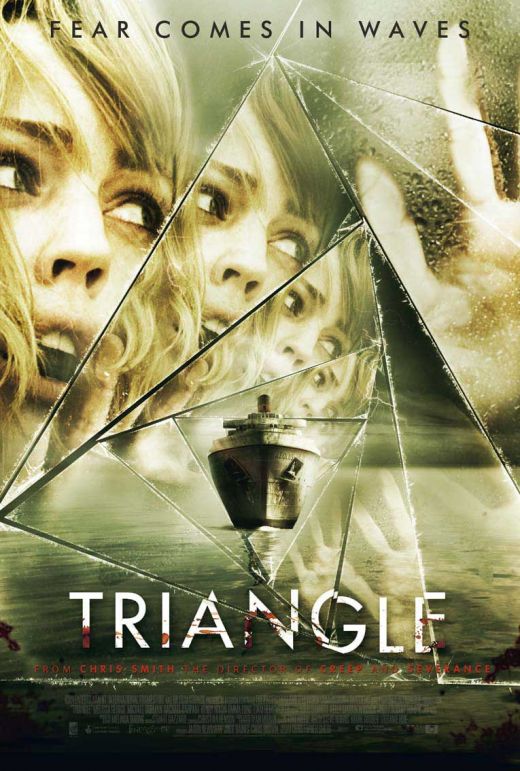
Triangle
är däremot en film som levererar. Plotten är intrikat, och hela alltet välgjort, berörande och tillfredställande. Det här är en psykologisk film som blir bättre ju mindre man vet om den på förhand, så jag ska inte säga mer, men affischen är snygg på samma sätt som Uninhabiteds, om än inte lika perfekt så åtminstone med en noga genomtänkt komposition, och liknande estetik som leker med snygga tjejer, blod och blå himmel.

(Större version).
Det enda jag inte gillar med den här affischen är att det är något med den som ser alldeles för grindhouse ut, kanske speciellt den där röda texten uppe till vänster. Den alternativa affischen är också intressant.


Altitude

Och sen finns det såna här filmaffischer som liksom kör Reign of Fire-paradigmet och liksom tvingar en att se rullen enbart på pur awesome. Altitude är knappast nåt mästerverk, men i skarp kontrast till Reign of Fire så håller den iallafall vad den lovar på filmaffischen, och handlar mer eller mindre de facto om Cthulhu som antastar ett flygplan sexuellt:

(Större version).

Jag har ingen djupare analys här, det är helt enkelt en snygg affisch. Sparsmakad, hotfull, awesome. Taglinen är förstås töntig, men det finns värre varianter...


The Disappearance of Haruhi Suzumiya
Problemet med att designa en poster till den här filmen var presumably att den, liksom tv-serien, egentligen inte handlar om nånting. Haruhi Suzumiya är slice of life-drama at it's finest, förvisso med en fantasyartad och totalt vansinnig premiss, men den är liksom svår att skildra i bild, jag har iaf ingen aning hur man skulle gjort det vad gäller den här rullens karaktärsdrama runt tidsparadoxer (möjligen något i stil med variantpostern till Triangle ovan?). Jag tror därför det var ett pragmatiskt val att bara ha casten som lutar sig mot en vägg och ser koola ut:

(Större verre).
Men ett lyckat pragmatiskt val; jag tycker väldigt mycket om karaktärsdesignen i Haruhi, färgskalan och ljuset och vinkeln är snygg, och japanska tecken är koola. Men framförallt är det en poster med attityd somehow; de står basically där och tittar uppfordrande på en att gå och se deras film. Om liknande upplägg för affischer till spelfilmer någonsin blir så här bra får ni gärna peka mig till ett exempel; oftast när folk ska stå och posera på spelfilmspostrar ser de bara stela och plastiga ut; liksom.


Let Me In
Filmaffischen är kanske det enda den här rullen gör bättre än originalet (though vissa utländska varianter till originalfilmen var briljanta). De flesta Let Me In-postrar är förvisso mediokra, men den här äger:
(Större verre).
Jag älskar den här bilden; den sätter tonen från boken perfekt, liksom lurar en att det rör sig om nån sorts såsig feelgoodfilm om vänskap, tills man märker den lilla detaljen som är...fel. Karaktärerna är ensamma, hand i hand, i ett ödsligt, kallt snölandskap, i både faktisk och känslomässig bemärkelse. Det enda som är fel är träden; det borde ha varit en backdrop av byggnader snarare, berättelsen är så...urban.


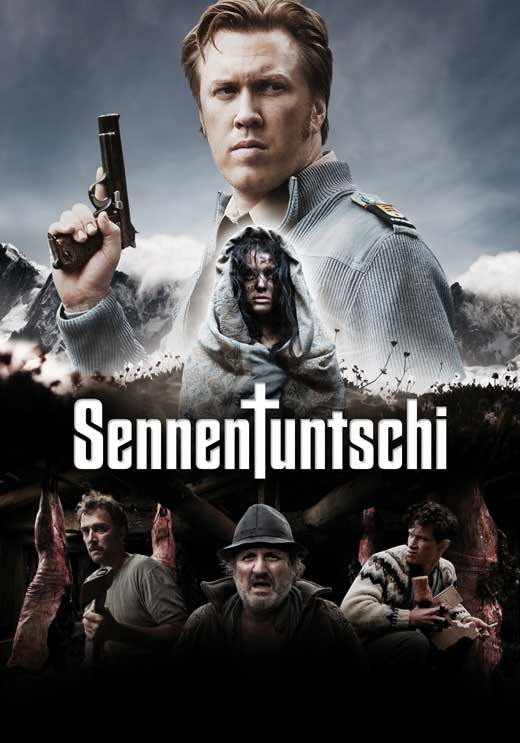
Sennentuntschi
Det är alltid koolt när spelfilmer har tecknade postrar in this day and age, men sen finns det de som går bortom att plocka pluspoäng för att det är udda, och går vidare rakt in i awesomeland:

(Större bild, och tro mig, den här gången är det värt det).

Det händer så mycket på den här affischen och det är så vackert. Jag ska erkänna att jag blev lite besviken, för medan Sennentuntschi definitivt är en riktigt bra film (trailer här), så är den mer av en weird dramathriller, lite Wicker Man typ, än en fantasyfilm, men dess premiss med en magisk docka hade kunnat få en att tro att den är det senare, och det tycks mig som filmaffischen också anspelar på det, den ser helt enkelt sagolik ut, med sina små skuggteater-liknande figurer och gammeldags drömska virvlar. Filmen var alltså inte riktigt vad affischen utlovade...tills man tänker efter, det här är ingen Reign of Fire. Sagodimensionen av filmen finns där, det är mest att den inte faktiskt sker i narrativet så mycket som existerar i bakgrunden i karaktärernas medvetande, och folktron är en viktig aspekt i handlingen (och det går att läsa in fantasyelement om man vill, ett finns där odiskutabelt, resten är...tolkningsfrågor). Affischen eftersträvar inte att luras, utan att belysa och ge credds åt en specifik bit av filmens tematik och inspirationen bakom den, och det gör den fucking grandiost. Sennentuntschi-affischen är inte bara snygg, den förstärker dramat, stämningen och mystiken i filmen den är gjord för, särskilt när man skärskådar de många detaljerna på den, som är små skuggteater-varianter av filmens händelser.

Men vad fan är grejen med den alternativa postern? Det är som om någon tänkte "uhm, hörst du die Menschen...nu när vi gjort die schönsten Film-Poster in der Welt, ska vi inte ta och göra en wirklich widerwärtig und mittelmäßig en som alternativ? De har ju så dålig smak de där amerikanerna, de kanske föredrar en riktigt medioker affisch..."

Jag fattar helt enkelt inte.

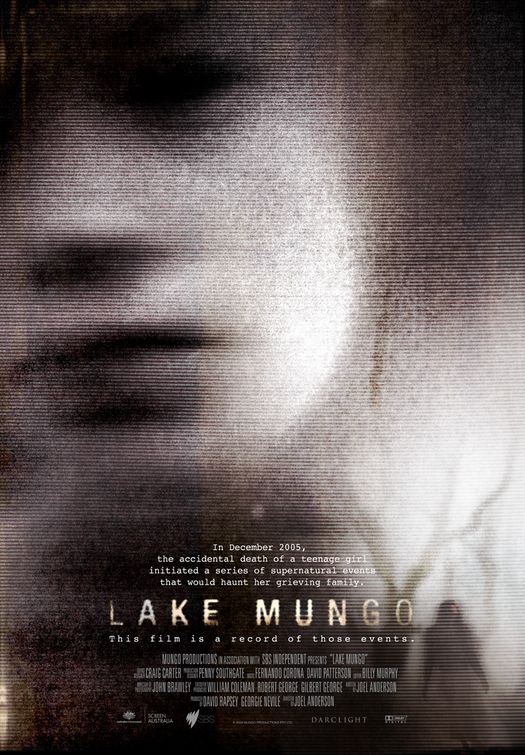
Det är också lite synd att jag inte fått mig en bra titt på filmaffischen när jag pratade med regissören, jag hade velat ge honom credds för den snyggaste filmpostern sen Lake Mungo...

torsdag, december 2

Top Ten Most Bloated (and Awesome!) Military Stuff Ever

As we'll later learn from this post, the one who invests the most in military technology and tools almost always wins. Yet, once this paradigm is adopted, it can easily go waaay to far. A prime example of this was the nazis, who were so overly enthusiastic about superweapons that they even gave birth to the nazi super science-trope. And that's really the whole point, fuck strategic and economic considerations; superweapons are awesome. I give you - the most blatantly bloated, advanced and pricey (often vastly overrated, sometimes actually rather efficient) military stuff in history:

10. The Maginot Line

Like basically everyone else, the french managed to die a whole lot in World War 1. Actually, they died so much that the whole country got a manpower shortage in the decades to come. This was seen as a strategic problem, for the french were not stupid - they realized that Germany would come back with a vengeance. Oh, wait, they might have been stupid after all, given how they choose to mitigate this problem. The defense minister André Maginot got the "great" idea to build a giant line, several kilometers deep, of fortresses, turrets, artillery, tank stops and stuff along the borders to Germany and Italy. This would allow the relatively small french army to withstand an attack, and buy time to draft older men into the army. In practice, it might have been one of the dumbest investments in history, as a): static defenses would turn out to be rather worthless with the new doctrines and technologies, b) the line didn't cover the border to fucking Belgium. You all know what happend next.

So, was the maginot line awesome? Well, a bit I guess. Expensive; definitely. Bloated? God yes.

9. M50 Ontos

This is a tank destroyer that was used in the Vietnam War. The US Army originally decided it was too absurd to be built, and cancelled the order. This was after firing all the guns at once during prototype testing knocked bricks out of nearby walls. The Marine Corps, though, realized this tool was to cool not to have, and ordered 297 of them. They apparently turned out to be rather useful during the war, even though they were used for infantry support rather than their original puporse (tank-raping), but the awesome design did have some disadvantages of course, otherwise it couldn't justifiably be called "bloated" - in this case, the thing had to be loaded from the outside, making the crew vulnerable to snipers.

So why was it awesome? Just look at it. It had not one, not two, not three...not four...not five...but six 106 mm recoilless rifles. Lest you not be confused by the word "rifle" here, we're talking about stuff so big that stuff a third of its size has to be mounted on turrents and wheels when infantry use it (for example the Bofors 37 mm). And again; six of them.

8. Schwerer Gustav

Ok, if the french has the Maginot Line, the germans needs something to blast their way through it with, right? That's where this baby came in. Except, the nazis didn't actually need to blast through the Maginot Line, as they could just walk around it. So yes; unnecessary technology; check.

The Schwerer Gustav was a gun so absurdly big that it had to be mounted on a train. The various european powers had constructed such cannons before, so of course the nazis, true to form, had to beat them all. The result was the largest calibre rifled weapon in history ever to see actual combat. On the receiving end was, of course, the poor, poor russians. We're talking shells this big. And still, for all its awesomeness, Schwerer Gustav was only actually used during the Siege of Sevastopol, spending the rest of the war being moved back and forth to places where someone thought it could be of use, yet it never was. I can imagine the talk at headquarters:

"Ok, so where do we need the absurdly gigantic railway gun?"
"Err...I dunno...maybe you can blast Leningrad with it?"
"When we managed to actually get it there, the siege would be long over"
"Oh, alright...use it against Stalingrad then?"
"Isn't that a wee bit overkill? We don't need that kind of firepower there"
"But...but...it's....awesome".

7. Lun-class Ekranoplan

Next to the nazis in terms of superweapon fetisch, the soviets put their vast resource base to good use in constructing some of the wierdest shit ever. Ekranoplans are pretty bizzare to begin with, being "flying boats" somewhere halfway between a hovercraft and an aircraft, vehicles that uses the so-called ground effect to basically float a few meters above the ground. That's awesome by itself, but the MD-160, the only Lun-class Ekranoplan actually built, was also very large (73 m, rivalling modern jumbo jets) and equipped with six missile launchers, pretty much silos really, carrying these babies for ground attacks. It's still around; rotting away in a town at the Caspian shores that's bleak, run-down and god-forsaken in that particularly depressing way only post-sovietic stuff can be. It's not pretty, but still, one really should look at these pictures (and this video, it appears about 4:40 minutes in) just to realize the awesome. A huge object similar to it was spotted in the Caspian Sea area by US reconaissance sattelites in the 60's and dubbed "The Caspian Sea Monster", but it seems they could never find out exactly what it was, making for some intriguing and awesome possibilities.

6. Timurid War Elephants

In 1398, When Tamerlane went, very literally, medieval* on the Sultanate of Delhi, he captured a host of indian war elephants that he seems to have appreciated to an almost fetischistic degree. Tamerlane had already combined horse archers, siege artillery and heavy tarkhan cavalry into steppe warfare's grande finale in history, so naturally, he just had to add the only thing (except chariots) that was missing among the most awesome stuff of pre-modern war. Accordingly, he had the elephants dragged all the way back to Samarkand, and later deployed them in the epic Battle of Angora against the Ottoman Turks and their sultan Bayazid, together with Tamerlane considered the greatest general of the age. Historians seem to disagree about how many the elephants were (but it's known that Tamerlane's army faced and defeated about a hundred elephants when they invaded Delhi) and to what degree they were actually useful in the battle, but that doesn't matter. In any case, the Ottomans were crushed, and how could they not be? They were facing mongol hordes with knights, and cannons, and armored fucking elephants! If not by superior tactics and/or numbers, Tamerlane would still have won on sheer awesome.

*"The killing and wanton destruction that characterized the Delhi campaign may be unsurpassed in history" - Vernon O. Egger

5. The Great Wall of China

The Great Wall had its origins in several different systems of defensive earthen walls between the Warring States of antiquity. Once the king of Qin had defeated the other states, he declared himself emperor and embarked on extending and joining together the different walls into a single, giant one. The human toil and misery this caused in the laborers became stuff of legends in China, and later chronicles echoes with hatred against the Qin emperor. A common myth is that the bones of dead builders became filling stuff in the Great Wall. More than a thousand years later, the wall had fallen into ruin and was barely a heap of earth, and was reconstruced by the Ming dynasty, in stone and brick, but spanning over a somewhat different area than the original wall. Both incarnations of the wall were of absolutely epic lengths and is generally considered among the greatest achievements of human civilisation, yet it can be debated how effective they were. The traditional view is that the walls were built to ward off the barbarians of the northern steppes; if that's the case, they were epic fail. While they might have discouraged lesser war bands, China has been successfully invaded by nomads from the north so many times it's almost absurd - Xiongnu, Jurchens, Tanguts, Mongols, Khitans, Turks, the list goes on and on. The wall thus stand solidly on the list of the most worthless defensive structures ever built.

A less common but interesting viewpoint is the theory that the wall were never intended to keep barbarians out, but the chinese in. With this line of reasoning, the idea is that the ruler's wanted to keep the peasant population of China from getting dangerous influences and ideas from the nomadic population of the steppes. Restrictions on free mobility has been a common feature in despotic regimes throughout history, so it's an interesting possibilty.

In any case, the wall is the very definition of epic, expensive, bloated, and awesome.

4. Korean Turtle Ships

The Turtle Ships were used by the Korean navy from the 15th century, and are especially known for their role in the Imjin War with Japan, where japanese warlord Hideyoshi tried to use Korea as a launching board for an epic assault on China. He failed.

Some role in his failure played this ship design, supposedly perfected by legendary korean admiral Yi Sun-sin. The whole design stemmed from the idea that, by covering the deck of the ship with walls and a roof, the enemy wouldn't be able to board it, but the awesomeness was soon increased by gunpowder; Yi Sun-sins ships had five different types of cannons, one of which was hidden in a dragon head at the bow, spewing fire from its mouth. Another variant of the dragon's head could launch a cloud of toxic smoke created from a mixture of sulphur and salpeter. Tradition has it that the turtle ships were iron-plated, but the evidence for this is weak, though they did have a shitload of iron spikes to further discourage boarding.

Yi's ships were intended as close-assault vessels; using sails and/or oars, they would speed towards the enemy ship, ramming it, and unleash a broadside of cannon shots at close range. Korean commander's especially favored targeting the enemy's command ship with this tactic; the Turtle Ships' resilience allowed them to plow through an enemy fleet straight for the command ship, and upon sinking this, would severely damage the enemy's morale.

Unlike most of the stuff on this list, Turtle Ships were actually really useful. Still, they were apparently exotic, advanced and awesome enough to become stuff of legends.

3. Tsar Bomba

Tsar Bomba is the nickname for AN602, a hydrogen bomb that the Soviet Union detonated in Novaya Zemlya archipelago in 1961. As the russians really liked big stuff, it was originally designed to have a payload of 100 megatons of TNT, which eventually had to be reduced to half once they realized that the fallout from the explosion would be a bit much too handle. To put this into perspective: the bomb actually detonated was still the most physically powerful device ever utilized by mankind, and shattered windows in Finland. The blast could have caused third-degree burns a hundred kilometers away, the mushroom cloud was seven times the height of Mt Everest, and the seismic shock from the blast could be measured even on its third passage around the earth. Getting the plane that dropped the bomb away in time not to be destroyed by the shockwave was actually an issue.

The Tsar Bomba was the culmination of a paradigm where precise bomb targeting was not assured, and bomb blasts accordingly should be large enough to destroy a target even if dropped five to ten kilometers away. The development of more precise ICBMs would soon make this paradigm obsolete, but even before that, Tsar Bomba might have been overdoing it just a little. At 1,4% the energy output of the sun.

2. The Cannon That Destroyed Byzantium

Absurdly huge bombards, great cannons designed to shatter walls, were very much in vogue in the 15th century. Especially enthusiastic about such stuff was the "Gunpowder Empires", one of which was the Ottoman Turks. In 1452, they stood ready to conquer Constantinople, something they had a history of failing with - despite that they had taken all surrounding lands, the city itself had defied them for a century. Constantinople's walls were stuff of legends, and it seemed they simply couldn't be breached.

At this time lived a little hungarian gunsmith called Orban. He had thought up a design for the biggest, baddest cannon the world had yet seen, and presented the idea for the emperor in Constantinople, who quickly decided he could neither afford nor needed such a thing.

Not very discouraged, Orban instead went to the turks, claiming that his cannon could "Blast the walls of Babylon itself". The sultan was all like: "Sure, but...can you make it...bigger?"

Forever proving that bigger is better and that military investment pays off, the Ottomans employed Orban and had him construct a cannon so absurdly big that 60 oxen had to drag it to Constantinople, where it blasted the epic walls to bits. The thousand year old Roman Empire thus came to an end, and while the Ottoman fascination for big fucking guns continued well into the 19th century, when they used the then ancient Dardanelles Gun to take a shot at a british fleet, Orban himself died a karmic death when one of his superguns exploded.

(No picture of the cannon remains; depicted is the russian Tsar Cannon, which is another gigantic bombard. Note the girl in the lower right corner for scale).

1. Battleship Yamato

Battleships were, in essence, gigantic floating platforms with equally gigantic guns that could be fired simultaneously, backed up by a vast host of smaller guns, mines, torpedoes, etc. Add to this the nice bow shape and sleek yet brutal look of a really large ship, a small nations' steel production's worth of armour, a couple of catapult-launched seaplanes and a crew counted in the thousands, and we have the closest to a Star Destroyer that humanity has gotten thus far. The faith in and prestige associated with battleships were immense in the early 20th century, despite the absurd amounts of time, cash and manpower that had to be invested in order to build even a single one. Yet, despite all this, and despite their sheer awesomeness, historians argue that battleships were never really useful; everything they could do, smaller ships and airplanes could do much more cost-efficiently. This view is further strengthened by the fact that there only was two real confrontations between battleships ever; the Battle of Tsushima and the Battle of Jutland. Battleships never accomplished much, other than wasting steel, lives, and money.

So yes, they were both unneccessary and overrated, a money-sink of epic proportions. And the most egregious of them all was the Yamato, the pride and flagship of Japan. She and her sister ship Musashi was designed with the philosophy that, as the americans had more than a 3:1 advantage on the japanese in number of battleships, Japan simply had to build two huge enough to compensate for that all by themselves. That's the spirit of awesome!

Yamato was pathetically sunk by american aircraft in 1945, and only got to fire her absurdly huge cannons on surface targets one single time. Yet, german battleship Bismarcks brutal destruction of british battlecruiser Hood a few years before had demonstrated what a battleship could do, and Yamato was bigger, better, and stronger than her. While the American Iowa-class of battleships was almost as large and much more technically advanced, the Yamato class was much heavier, and had 46 cm main guns, compared to Iowas puny 40 cm. With a great name, epic size and looks, and the biggest fucking guns ever mounted on a ship, Yamato stands out as the king of all battleships, and battleships were in themselves the epitome of expensive, advanced and uneccessary, being so awesome that they crossed the spectrum from worthless to great and all the way back to worthless. This gives them a firm place in history among the coolest of humanity's achievements.

lördag, januari 9

Top Six Best Dance Scenes

Why top six? I dunno. Maybe I couldn't be bothered with more, as I've got to go to sleep and read an obscenely huge manga about autism? Or you could call it a really lame pun. It'll make sense if you translate it into swedish and think long and hard about the Death Proof-scene, at least if you're male and remotely heterosexual (or lesbian and really gay, what do I know?). Whatever. Let's do it!

6. Bizarre Japanese Tap Dance (Zatoichi)


Why? Dear god, why? I'm trying to picture to myself what Takeshi Kitano might have been thinking when he choose to end a movie this way, but no, I've got nothing. I can't really decide if this scene is awesome or awful, but no matter, no list of dances in films would be worth its salt if it didn't include this one.

5. Morticia & Gomez (Addams Family Values)


This copule has chemistry like no other. It's sexy, classy, and cool. Oh, and you gotta be impressed by the flames.

4. The Lap Dance (Death Proof)


Oh, sorry, I'm just gonna go fight a sudden urge to masturbate 'til I faint. Be right back.

3. Ballroom Dance (Beauty and the Beast)


Even if we ignore the fact that this scene broke ground as computer animation goes, it's still a masterpiece of mood, elegance and general visuals, and likely to trigger massive nostalgia-buttons for anyone in my general age group. The song is actually much better in the swedish dub, though, so I've chosen to link to that version.

2. Chunari, Chunari (Monsoon Wedding)


The indian civilisation achieved what will some day be generally recognized as the foremost musical culture in human history. This scene is not very spectacular as Bollywood coreography goes, far from it, rather, it's great because of how much goes on in the background, and how the eventual outbreak of mass dance works as a kind of resolution for oh-so-many tensions in the film. There's even a little love conflict begun and resolved during it, all through the wonder of SPONTANEOUS INDIAN MASS DANCE!!!

1. Beauty Dance (House of Flying Daggers)


Like India is probably the pinnacle of musical culture, the Tang dynasty of China was probably the pinnacle of civilisation in general - it's all been downhill from there. Of course, this shouldn't really make them beat India in a list of this particular kind, despite the sheer gourgeousness of the clothes and the accessories and the room and the floor and every little visual detail, not even with a song as beautiful as this (it's 'Jia rén qu', composed in antiquity by Li Yannian); India would still beat all the chinese could muster as dance scenes go.

You can leave it to Zhang Yimou to fix that particular shortcoming, though.


onsdag, december 30

Rollspelsmonstren som Piruett glömde

Piruett har en lista med de 10 coolaste monstren i den svenska rollspelshistorien. Och visst, många där är helt spot on, men jag tyckte också att några...saknades. Framförallt vill jag vidhålla att Eon har koolare monster än DoD6 rent generellt, så jag ser inte vad tex runstenstrollet gör på listan, när inte ett enda Eonmonster är med. Jag tänker inte göra en helt ny lista, Piruetts är så pass bra, bara påpeka några jag tycker borde ha fått vara med.

Panthera (i Monster och Varelser samt Monster i Mundana)

"I början av vintern omkring oktober månad har pantherorna vilda parningsriter då flera flockar samlas i de nordliga, snötäckta vildmarkerna. Hannarna försöker locka över honor till sin flock genom vilda uppvisningsstrider. Det är även chansen för utstötta hannar att återvända och kämpa om en plats som flockledare. Vinternatten fylls av pantherornas skärande skrik och skenet från deras blågröna eldkvastar. De som lever i de nordliga ödemarkerna vet bäst i att hålla sig undan dessa nätter".

Okej, den är kalydonen fast ett kattdjur, som vi tidigare etablerat som den mest awesome av alla djurfamiljer, den är blodtörstig, liger-stor, jagar i flock, och har extremt brutala stats (såsom relativt psy 14, vilket basically gör den till Eons smartaste djur). Pantherorna fyller därför naturligt den här obligatoriska rollen som saker att slänga in när rollisarna blivit för bra och behöver tas ned på jorden (för tro mig, det händer även i Eon). Deras eld kommer från körtlar med en särskild vätska som blir settingens mest exklusiva parfym, vilket i sig är koolt. Lägg sedan till att pantheran är den enda varelse i hela Mundana som då och då käkar drakar till frukost, så har vi epic win.

(Eons drakar är i sig, som bekant kanske, något...über).

Hyggelmonster (i Eon III, Monster och Varelser samt Monster i Mundana)

Eons signaturmonster. En absurt aggressiv hjärndöd huvudfoting som lagrar resterna av sina offer i sitt skålformade innanmäte, vars frätande magsaft stänker ut ur käften när den springer. Det har kallats "rollspelshobbyns fulaste, töntigaste och i särklass mest ansträngda fantasymonster", vilket onekligen måste innebära att det är skitkoolt.

Jag låter dess look tala för sig själv.

Dödskerub (i Monsterboxen)

"Dödskeruberna ser ut som små människobarn, tre till sex år gamla, med ruttnande kött löst hängande på skelett av elfeben. De har rostiga vingar, gnisslande av järnfjäll. I vår mänskliga värld uppträder dödskeruberna vilset och förvirrat, ständigt gråtande och klagande. De är köttätare och kan i sin förtvivlan och vilsenhet anfalla allt som rör sig med sina stora klor och huggtänder av järn".

Att de här inte var med på Piruetts lista var faen kriminellt.

Svart Enhörning (i Monsterboxen)

"Somliga menar att de svarta enhörningarna är själarna av vanliga enhörningar som gått en våldsam död till mötes. Deras ondska skulle isåfall förklaras med att de är hämndlystna, Svarta enhörningar kan endast 'charmas' av manliga magiker med svarta sinnen".

"Den svarta enhörningen är identisk till formen (med en vanlig enhörning, Olas anm.), men den framträder för det mäskliga ögat bara som en massiv kolsvart skugga, en knappt genomskinlig ande".

Visst, andra har försökt få till mer originella 'onda' hästar, typ Eons seian, och visst, de funkar de med, men ibland är det kanske bättre att bara göra det lätt för sig. Svart enhörning. Så simpelt, såå koolt.

Och så har vi Kaoskardinal (i Monsterboxen)

Well, monstret i sig är kanske inte jätteawesome, posen till trots, men alltså, namnet...Kaoskardinal. Kaoskardinal. Mothafuckin' KAOSKARDINAL! Frukta.

Domherre (i Zonernas Zoologi)

Ni vet den här känslan av att ett trivialt jävla smådjur (den sorten som annars liksom bara intresserar avdankade tjocka tanter med fågelbad i trädgården) har ett oförtjänt häftigt namn? Monstret som uppstod ur denna känsla är det lyckliga resultatet av att man bejakat en naturlig nörddrift att få djuret att göra skäl för namnet, och voíla. Awesomeness ensues.

Drömfurstarna i Kult var också små mästerverk. Dunno om de kvalar in, dock.

onsdag, september 23

Tamerlane!!!

Och på tal om inget, fatta the awesomeness som är den här statyn. Uzbekerna förstår sig på konst, uppenbarligen. Kan vi inte bara välta alla fula jävla statyer av osexiga kungar och poänglösa kulturpersonligheter, och göra som uzbekerna och smälla upp tyranniska medeltida massmördare i jätteformat överallt? En fem meter hög Karl Knutsson Bonde i betong på Stortorget, det vore nåt. En Ingjald Illråde-byst i Riksdagshuset...

Fast visst, vi saknar såna där riktigt fina tyrannical splendor-kungar, som rövknullar världen samtidigt som de tuggar på mattor och drägglar - och dessutom somehow lyckas vara kulturmecenater samtidigt. Vi har förvisso en rätt bra Caligula, Erik XIV, men Caligulas är patetiska...vi kan överhuvudtaget inte tävla med Östeuropa och Centralasien när det kommer till Magnificent Bastards. (Vi kan inte ens tävla med Grekland, fan...)

Och Timur är liksom sannolikt the greatest of them all.

Att vakna på fel sida

Jag känner att det verkligen är dags för nån form av uppdatering, även om jag egentligen inte har något vettigt att komma med.

Jag skulle tvättat idag; det blev inte så, för jag sov :/ Jag fattar inte -varför- jag inte lyckades vakna, givet att jag gick och lade mig i relativt kristlig tid, men men...*suck*. Nu får jag ingen tvättid på flera dagar, utom i morgon morgon, och då måste jag verkligen sova. wee. Jag som verkligen, verkligen behövde tvätta.

Jag skulle behövt gå till banken och sälja teckningsrättigheter på swebank-aktier också, men det kan jag lika gärna göra imorrn, så det är ingen biggie...det kommer nog ge mig runt 1800 spänn iaf, det är rätt schysst, fatta så länge jag kan leva på det...jag får rentav råd med nya Blade of the Immortal-albumet :D :D :D

Sedan skulle jag gått på en föreläsning om antik vattenteknik med Örjan Wikander, en fantastisk forskare...och därefter på arkeologpub med Lukas. Men så blev det inte heller, för eftersom jag vaknat på totalt fel sida förmådde jag bara inte uppbringa nån form av lust till nåt så socialt. Och nu sitter jag såklart och har dåligt samvete över det, eftersom jag alltid, alltid känner att jag borde komma ut mera.

Men, det finns bra saker också. Jag har kommit på en fantastisk idé till en roman, som jag kanske kommer berätta om senare...i vilket fall brinner jag så av inspiration att jag kanske rentav deltar i NaNoWriMo. Det hänger helt på om...

jag kommit nån vart på min C-uppsats då eller ej. Och den enorma brist på entusiasm jag tidigare kände inför uppsatsskrivandet har liksom blåst iväg; jag vill göra det här, jag kan göra det här.

Men jag måste fortfarande komma på ett ämne. Det är lite drygt. Jag har till måndag på mig. Jag tänker i banorna om att jag vill jobba antingen med mesoamerikanska indiancivilisationer (min nya fetisch), primärt aztekerna, eller med medeltida diktning/sångtexter (gammal fetisch), kanske Walter von der Vogelweides samlade verk tex. De är awesome.

Men jag har ingen som helst solid idé på teori/metod/angreppsvinkel. det har jag på andra ämnen, jag kläckte tex en asbra idé på att undersöka hur synen på Hernán Cortéz förändrats i Mexikos nationsbyggandeprocess, hur han liksom gått från hjälte till skurk. Eventuellt kunde man dessutom relatera det till hur Uzbekistan upphöjt Timur Lenk från folkmördare till nationalhjälte. Det kunde vara jätteintressant...

förutsatt att jag hade någon lust att jobba om det. :-/

Timur Lenk är alltid het förstås, och det är ett annat problem...en del av mig känner att jag borde skita i Mesoamerika och medeltiden, och göra något som rör Centralasien eller Kina, eftersom det ändå är vad jag vill inrikta min (väldigt) hypotetiska akademiska karriär på. Jag ska nog åtminstone undersöka om det finns något ogjort i mitt gamla favoritfält fotlindning, för liksom, att lååångsamt och plågsamt krossa fötterna på små, små flickor blir aldrig ute...

fredag, juli 3

Asians: A Case Study

A friend of mine, Alva actually, claim that she thinks grown-up asian women (at least those commonly seen on film and in photography) look like children. It occured to me that I should try to disprove that somewhat by a simple case study. Let's look at, for example, Zhou Xun, who might still be one of the most child-like adult humans currently alive:

Zhou Xun (grownup version):


Zhou Xun (child version):


While there's some similarites, the head-to-shoulders-ratio is vastly greater in the child version, the nose is flatter, the jawline rounder, and the cheeks more puffy. There's quite a difference here.

Also, while Li Xiaolu might be destined to look like sixteen 'til she's fifty, she has apparently lost some puppy fat after she became, y'know, grownup:

Li Xiaolu (teen version):


Li Xiaolu (adult version):


She actually seem to have lost way too much fat nowadays, but that's another issue entirely. And of course it's her problem and not mine, I'm not gonna judge anyone... I just found her hotter with curves :-/

I will now consider it scientifically proven that asian women does not look like children. At least not asian children. It's still possible that they might look like western children (I'm a fan of Gimbutas after all, and thus inclined toward very...liberal...interpretations of known facts), but I considered it improbable, as it seems I generally find asians attractive, but not children. Still, I guess I might be proven wrong. I'm not sure I would like the implications of that...

torsdag, juni 18

Königsägg

Okej alltså, jag vet att namnhumor är väldigt dagis, men jag känner ändå starkt att Königsegg borde byta inriktning. Jag låter det vara en öppen fråga vilken sorts bil man förknippar med 'Königsegg', men ja...döm själva.

Koenigsegg CCX:

Mitt förslag på ny produktlinje:Sedan, alltså...om man har ett fint tyskt adelsnamn från medeltiden, med ett grovt och stolt ö-ljud, varför i hela friden börjar man stava det med 'oe' som ett annat anglofilt miffo? De skryter ju tillochmed med sitt ättevapen på bilarna, ffs.

Och hur faen har ett företag som tillverkar, jag tror det var femton bilar om året...råd att köpa Saab? Okej, jag vet att en Königsegg-bil kostar typ 5 fantasiljoner, och att svenska staten av nån anledning tänkte gå in med pengar, och att bilindustrin är i kris, men fortfarande...

Skitsamma. Jag vill mest fråga mig om det överhuvudtaget är moraliskt försvarbart att bara tillverka saker som multimiljonärer har råd att köpa. Jag menar inte att med detta insinuera att bratsen någonsin har haft en moral, men...som god kommunist kan jag kanske känna att företag somehow borde vara skyldiga att bidra till allmännyttan eller iaf nischgrupper som inte enbart definieras av sina enorma bankkonton. Eller nåt.