Visar inlägg med etikett genusteori. Visa alla inlägg

fredag, januari 2

Tjejig fantastikfilm

Det här inlägget ska ses som väldigt ödmjukt och spontant, och titeln med glimten i ögat.

Jag hade ett samtal med några bekanta och två kvinnliga vänner beklagade sig över att det var så svårt att få deras (manliga) partners att vilja se film med kvinnliga perspektiv. Jag gör inga som helt anspråk på att vara en kille som inte själv ibland fastnar i eller är djupt fläckad av manliga privilegier och perspektiv, men då jag dels ser väldigt mycket film, och dels verkligen älskar kvinnliga protagonister (vilket inte tvunget i sig är oproblematiskt, men det är en analys för en annan dag) så började jag grubbla över: vilka filmer finns där som både har kvinnliga protagonister och såpass mycket fantastik-inslag att de inte uppfattas som gråtrista, jordnära, diskbänkiga eller whatnot. Det finns massor, men det löser inte problemet, därför att dessa filmer nästan alltid är gjorda av män och fortfarande på något vis har manliga perspektiv eller är mer eller mindre avsedda för en manlig publik, trots att de har kvinnliga huvudpersoner (exempel: allt Luc Besson och Quentin Tarantino någonsin gjort).

Så jag tänker försöka tipsa om lite sevärda filmer med fanastisk-betonade koncept jag personligen från mitt begränsade perspektiv upplevt har lite mer kvinnliga perspektiv eller låter huvudpersonerna vara kvinnor på ett sätt som går bortom de alla mest ytliga eller grabbiga aspekterna av det. Filmer med påtagliga kvinnliga relationer, intressanta hjältinnor, eller som faktiskt tar sig an genusfrågor på något vis.

Angående urvalet jag gjort 

Utöver reservationerna kring mina egna begränsningar är en ytterligare reservation att jag skippat all asiatisk film, därför att jag vet med mig att den upplevs som mer svårsmält, och poängen här är att tröskeln för att få folk att se filmerna ska vara låg. Jag vill dock minnas att Kinas och Koreas filmproduktion  toppar hela den internationella ligan vad gäller kvinnliga huvudpersoner på film och att i synnerhet Kina även har en särskilt hög grad av kvinnliga regissörer. (Jag kan inte hitta den exakta artikeln jag minns om detta, men statistiken tycks ha kommit från denna rapport). Att skippa Asien är därmed arguably att göra sig själv en björntjänst i det här fallet, då man går miste om massor av intressanta alternativ. Men icke desto mindre har jag gjort det valet. Jag klarar dock inte av att göra det om jag inte åtminstone flyktigt får namedroppa Painted Skin 2, en överansträngd men urläcker fjantasyfilm där det (som alltid i Kinas haremssåpa-genre) bara är tjejerna som äger hela tiden och alla männen är korkade töntar, och Kinas främsta skådespelerskor slingrar sig runt varandra i (förvisso male gaze-lesbiska) krumbukter av svulstigt fantasy-awesome.

Jag kommer göra ett tappert försök (men misslyckas) att hålla igen vad gäller min favoritgenre, skräck. Skräckfilm har extremt påtagligt ofta kvinnliga protagonister, men orsakerna är möjligen rätt sunkiga (min teori är att den primära orsaken är att tjejer uppfattas som mer sårbara), och skräckfilm är därtill lite av en nischgrej som inte riktigt går hem hos alla. Jag har dock fått intrycket av tex alla år på fantastisk film festival att det börjat dyka upp fler och fler intressanta kvinnliga regissörer som gör just skräckfilm; jag ska namedroppa dessa i den mån jag kommer på dem.

Jag har även skippat animation, där det finns en hel del tjejig fantastik, typ Frozen, Brave, och massor och åter massor av anime.

Ej heller har jag för ambition att vara komplett, så jag har skippat saker alla redan sett (Ronja Rövardotter), eller som alla hört talas om (Hunger Games), eller som är dåliga (Twilight). 

När jag skrev det här inlägget hade jag med ett flertal historiska filmer; även detta är ett område där kvinnliga berättelser känns jämförelsevis mindre sällsynta. Men historiska filmer är inte fantastik i någon bemärkelse, så jag har rationaliserat bort dem; de kan eventuellt bli föremål för ett annat inlägg. 

Så! Filmtips-dags!

Filmtips
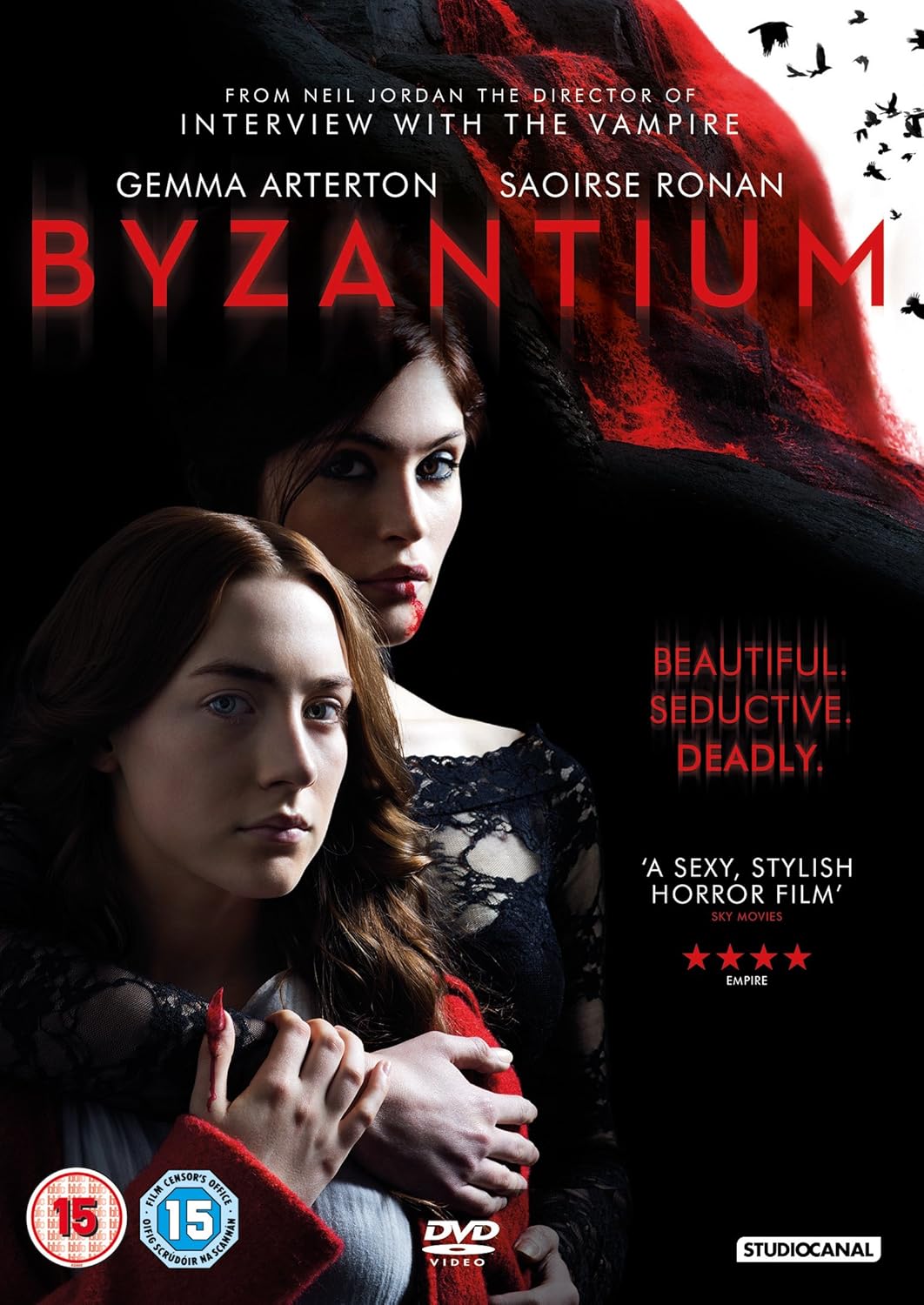

Byzantium är en typ moody dramathriller om två vampyrer, en mor och hennes dotter, som har en väldigt problematisk och konfliktfylld relation till varandra, och har varit hårt utsatta för - och medvetna om- patriarkala strukturer inom vampyrernas dolda värld. Då kvinnliga vampyrer är förbjudna har de båda ett pris på sina huvuden och är jagade och utsatta, och om de ska kunna fortsätta undgå sina förföljare måste de antingen försonas eller separera för gott. Detta dras till sin spets när de tillfälligt tar sin undanflykt till ett fallfärdigt hotell i en regnig brittisk kuststad. Regissören är en man. Se även "We are the Night", en tysk vampyrfilm om ett gäng hedonistiska kvinnliga vampyrer, som fokuserar på deras inbördes dynamik och förvridna mentor-lärlings-relation. Den är inte alls lika bra som Byzantium, imo, men väl värd att se om man vill ha lite fantastik men är sjukt trött på manliga ansikten och egon.
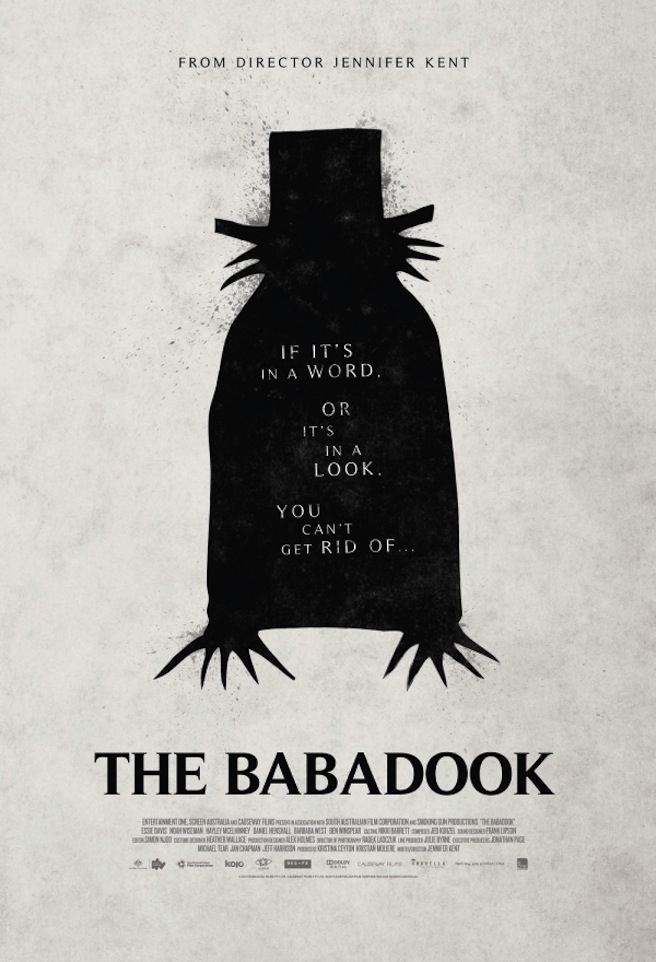

The Babadook är en australiensisk skräckfilm om en sönderstressad ensamstående mor som kämpar för att hantera sin bångstyrige och otrygge lille son, och skådespeleriet och dynamiken mellan kvinnan och sonen är en fullständig guldgruva av intressanta nyanser. Skräckelementet kryper in i berättelsen via en mystisk barnbok med störande innehåll, som mamman en dag ska läsa för sin son men till sin bestörning uppdagar är en enda gigantisk night terror-trigger, och därefter går det utför med både sonens och mammans psyke. Något jag finner sjukt befriande med The Babadook är att huvudpersonen tillåts trotsa tabut mot att (på film) vara en dålig mor; i svaga ögonblick är hon taskig mot sin son, hon förolämpar honom, behandlar honom illa, etc,. Filmen är inte alltför obehaglig och slutar inte i megamisär, och regissören är en kvinna, Jennifer Kent, vars karriär jag definitivt kommer följa i framtiden.


Cargo är en schweizisk rymd-scifi som kommer in lite på nåder på listan; jag tycker inte den behandlar särskilt djupa relationer eller så, men den är åtminstone proppfull av kvinnliga karaktärer som såvitt jag upplever det inte är det minsta sexualiserade och känns ganska trovärdiga. Huvudpersonen är en kvinna, hennes primära drivkraft är en relation till hennes syrra, och skurken är också en kvinna...det finns knappt några snubbar som spelar roll. Storyn är ganska slentrian scifi-thriller; huvudpersonen har tagit jobb på ett fraktskepp för att finanisera sin resa till utopin Rhea där hennes syster bor, men på vägen upptäcker hon att något är fel på skeppet...och med Rhea. Cargo blir bra primärt för att den gör väldigt mycket med väldigt enkla medel, och levererar en grymt snygg och ganska solid scifi-ståry trots en begränsad (europeisk) budget. Och så har den väldigt fin tyska! Regissörerna är män.


The Descent är en fullkomligt briljant brittisk skräckfilm om en grupp tjejkompisar som delar en passion för grottklättrande, och åkt på resa till USA för att ge sig ned i ett nytt grottsystem. Men det finns smärta och trauman i kvinnornas gruppdynamik som inte har fått behandlas som den borde, och ligger och sjuder och vill komma upp till ytan, samtidigt som kvinnorna inte bara blir instängda i grottsystemet, utan också inser att de inte är ensamma därnere. Den här filmen är fantastiskt filmad i naturligt ljus och är välspelad och asläskig (klaustrofobisk) och jag bara älskar den.  Det finns inga manliga karaktärer, men regissören/manusförfattaren är en man.


Honeymoon är en ångest-skräckfilm jag inte alls vet om jag borde rekommendera, men som jag ändå vill nämna därför att den har en ung kvinnlig regissör, Leigh Janiak, som jag definitivt vill se mer av framöver. Honeymoon handlar om ett hetero-par på semester i en stuga på landet som drabbas av problem efter att tjejen i paret hittats med minnesförlust ute i skogen, och skräckelementet är väldigt långsamt och krypande (och creepy) och fokuserar på parets interna psykologi. Men Honeymoon fokuserar dels på en parrelation snarare än ett kvinnligt perspektiv, och reproducerar dels i mina ögon problematiska troper som Mars Wants Women och Mystical Pregnancy, och öppnar därmed upp för (förvisso relevanta frågor) som i vilka kontexter sådana troper är okej, och varför en kvinnlig regissör i det här fallet valt att använda dem?


För övrigt är det så jävla svårt att, som jag föresatt mig, begränsa mängden skräckfilm här eftersom nästan all västerländsk fantastik-film med kvinnliga huvudroller verkar vara skräckfilm. Jag inser att det kan vara illa spenderad tid att lägga ned en massa möda på att skriva om en massa skräckfilmer om mina eventuella läsare till äventyrs kanske inte ens är intresserade av den genren, så jag tänker helt sonika namedroppa en hög (imo) bra skräckisar/thrillers/slashers med (imho) kvinnliga (eller i undantagsfall feministiska) perspektiv och få det ur världen:

Carrie, Triangle, Excision, Inside (preggo-skräckfilmen par excellence ^_^), The Woman, Dark Water (alla versioner), May, Hard Candy, Martyrs...

fler filmtips!:


Maleficent kan vara värd att nämna om folk mot förmodan missat den; jag tycker själv inte den är särdeles bra, men det är iaf en extremt lättsmält och nostalgisk högbudget-fantasyfilm som, likt Frozen (som knappast behöver nämnas), fokuserar på en relation mellan två kvinnor, och Maleficents hämndlystnad mot kungen tar sin början i en slags övergrepps-metafor som diskuterats flitigt på nätet. Om det bör anses positivt eller negativt vet jag dock inte.
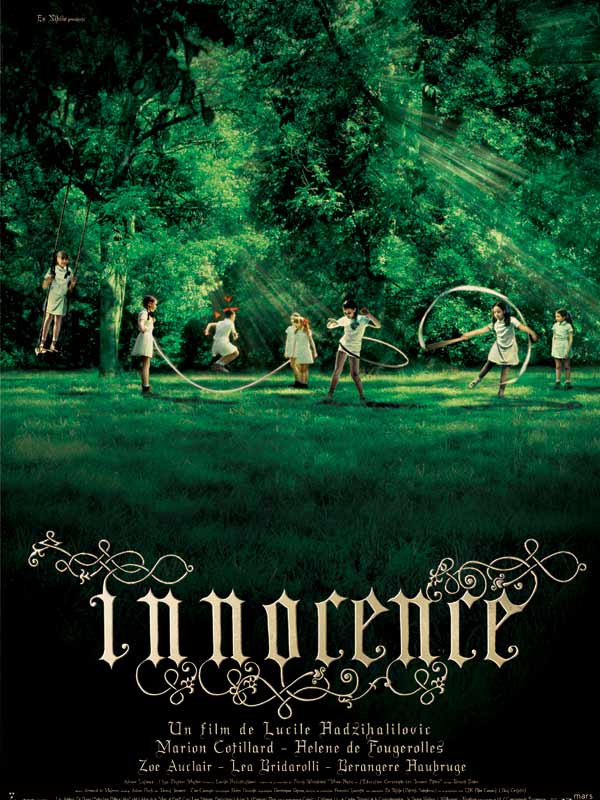


Innocence är en surrealistisk semi-fantasy-film om en (hyfsat ångestfylld) fransk flickinternatskola. Jag tror att den är lite för art house och konstig för att uppfattas som lättsmält eller lättsåld till skeptiska partners, men jag nämner den ändå därför att jag vet många killar som gillar den. Den kan sägas påminna om en del andra "magisk realism" eller semi-fantasy-filmer med (som jag uppfattar det) lite mer kvinnliga eller åtminstone könsneutrala röster, till exempel OXV: The Manual (Frequencies), Pans labyrint, Bikupans ande, Mine-Haha. Innocence har en kvinnlig regissör, Lucile Hadzihalilovic. 


Ju mer jag skriver på det här blogginlägget, desto svårare känns det plötsligt att komma på (bra + västerländska) fantastikfilmer med något jag med gott samvete kan kalla kvinnliga perspektiv. Jag påbörjade det här inlägget med tillförsikt, i tron att jag med allt mitt filmtittande i bagaget skulle kunna komma på massor, men jag verkar ha låtit mig luras av de enormt många filmer det finns med kvinnliga huvudpersoner, men som fortfarande är gjorda av män och känns manliga i sitt berättarspråk och sitt genusperspektiv. Jag hade kunnat namedroppa en massa scifi-actionfilmer och en oändlig mängd mediokra skräckfilmer, men at the end of the day så känns de taffliga, eller direkt grabbiga, eller så spelar de kvinnliga karaktärerna fortfarande andrafiolen jämfört med de manliga, man bara kommer ihåg dem mer när man tänker tillbaka på filmen, för att de var tio ggr så intressanta på ett ungefär. Så mer än något annat var det kanske tankeväckande för mig själv att skriva den här bloggposten. Och lite deprimerande, typ...

måndag, september 30

FFF 2013

I've just come home from a full day of movie-watching at this year's incarnation of Lund's Fantastic Film Festival; having already seen all the movies on my 5-card together with meimei, I don't know if I'm gonna see any more; I already feel quite satisfied, never before has the average grade of the movies I've seen at FFF been this good (which is ironic, considering that at first I wasn't too impressed with this year's program). If I do see any more films, I'll update this post later, right now, I just need to get something of what I've seen out of my system because I feel so inspired and affected and wanna share some great films with my friends. The main function of this post will actually be to give more or less spoiler-free recommendations, but certain friends of mine; if you don't want even the slightest spoiler, you'll just have to take my word on that you need to see the movie in question.

This friday, we started out strongly with The Machine. It's a moody british cyberpunk movie that does an absolutely amazing visual job out of a tiny-winy budget, and manages to both look and seem like the production values were ten times greater. There's only a short teaser trailer out this far:


The plot is not very original (and yes, the military-industrial complex is evil...), but it does handle some themes in slightly new and inventive way, and because I've just spent a year or more writing Neotech X, it's great to see a good cyberpunk movie that, just like NX, tries to re-invent the genre a bit, take it away from the dated 80s feeling, and make use of more up-to-date issues and sentiments regarding technology. The movie especially might surprise you a bit on how the 'doomsday' theory of technological singularity, as seen in for example The Terminator franchise, is handled rather differently.

My rating: In the end I gave it a 4 out of 5. It's very good, and has good acting and a great atmosphere, but the world felt a bit too constrained, and I really dislike the ending scene for some reason.  

People I know who needs to see this one: Martin Fröjd, Joel, Björn


Next in line; OXV: The Manual, also from Britain. This is a quirky philosophical/scientific romance story set in an alternate world with weird natural laws. I don't want so say too much about it as I feel certain people I know will absolutely adore it but should see it with an open mind and heart, but the basice premise is that people have certain frequencies, and people with pronounced frequencies are geniuses. If their frequency is really high, they'll be extremely lucky and succesful in everything, but completely emotionally dead. If their frequency is really low, however, they'll be unlucky losers with lots of emotions. The main characters are a boy with the school's lowest frequency and a girl with the scool's highest; whenever they meet, nature freaks out because they are so incompatible, and bisarre things happen.

This is not a truly bizarre movie, it has a miniscule budget and does not rely a lot on special effects, so don't come expecting the special effects/high concept-type of quirkyness. The odd premise is instead primarily used to explore the psyches of the main characters, and later on the potential consequences of certain radical discoveries they've done. It actually manages to have something in common with the italian book/film The Solitude of Prime Numbers, in how it portrays the main characters and their psychologically impossible relationship develop from childhood to adulthood (In the italian book/film, the main characters has the idea that he and the girl are different prime numbers and therefore they can never meet). As far as I know there's no trailer released yet, so I give you a picture of the main characters as adults for filler instead, isn't that guy just dreamy?:


My rating: The acting is great both in the child actors and the adults, the plot is intelligent and emtional, if a little bit disjointed at times, the premise is tought-provoking and utterly brilliant, and in generally they've done such an amazing job with tiny resources to make this movie outstanding. I didn't hesitate to give it a 5 out of 5.

People I know who needs to see this one: Joel, Björn, Alva, Elin, Kalle, Bunny


Then came Mars et Avril, a french-canadian movie that I can only properly describe in swedish: gubbsjuk och totalt spejsad. To try to put it in english, it's the kind of surrealist pretentiously freudian move where young girls somehow randomly has an uncontrollable lust for the flesh of fat bearded old Hemingways who spend their time making celebrated music on handmade instruments designed like voluptuous women's bodies. At the same time, there's a Mars landing going on, and these two themes are drawn together by the Music of the Spheres, and of course I adore that they used that supermega-awesome ancient philosophical concept, and the movie is visually amazing and ethereal beyond the level of even The Fountain, and creates a visually compelling portrayal of a distant future Montreal with fashion and hairstyles that all look like they were designed by Alexander Bard on crack. All these good things, unfortunately, does not take away from the fact that this movie is essentially about boring old men having gubbsjuka and navelskådande existential crises relating to the freudian connection between their overblown ego and the universe, or something, and the pretty girl that randomly gave them a blowjob last night before being accidentaly teleported to Mars.


My rating: So no, it doesn't really work, and while very, very special and visually interesting, most of my friends would cringe if they saw it, and so did I. I gave it a 3 because it's so beautiful.

People I know who needs to see this one: None, you are all too feminist. But watch the trailer, that way you'll get to see a sample of the gorgeous visuals.


Next up was Chastity Bites, an american high-school horror flick made on, to quote the director, "the catering budget of The Avengers". While the lack of budget shows a bit in this one, and the actors are a bit uneven (most critically the actress playing the villain is not very good), it's made by a writer and a director who are true horror freaks and put so much love in this movie that it's about to burst from all the obscure references. The dialogue is great, which is very important to high school movies, the absurdity at just the right level, and when they have gotten the casting right, it's amazing; the main actress is absolutely fantastic and her embittered hipster feminist genre-savvy character one of the hottest and most likeable I've seen in a long while. A cool, anti-stereotype thing they did, very consciously the writer told me, was to put an asian girl as the leader of the classical evil bimbo-girl posse. Certain geeky friends of mine will also recognize the actress of that character...


 Chastity Bites is not great because the plot is amazing or anything, which high school film is? It's great because it has a feminist slant throughout, combined with dark humor and meta-jokes. Also, it has a wild sex scene which starts with the couple discussing Simon de Beauvoir...

My rating: At FFF I gave it a 5. It's really more like a 4, and that's what I'll give it on filmtipset later, but it was extremely fun to watch and basically made with the target audience of swedish feminist geeks (this was the european premiere, and the producers were impressed by us seemingly getting all the Simone de Beauvoir references that the audiences at american film festivals didn't understand).

People I know who needs to see this one: Everybody who likes feminism and high school films, but in particular Cornelia, Joel, Alva and Maria. Also Mika because the main character looks like her.


Last but not least, and the only movie I knew about before the festival; the british vampire movie Byzantium. When I first heard about it long ago I wanted to see it because it had Gemma Arterton in it (I've liked her since the excellent 'The Disappearance of Alice Creed', shown on a previous FFF), was about vampires and was namned Byzantium, though to my disappointment I later realized it would have nothing or extremly little to do with the byzantine empire, instead being set in contemporary Britain. But I then learned it would also have the likewise excellent Saoirse Ronan and it and she and Gemma Arterton would play like vampire sisters or something...and then it was of course a must-see anyhow.

But I never expected it to be, y'know, good. I expected it to be some kind of Underworld-style movie with Gemma Arterton in tight leather pants slaughtering millions of mooks in super-effects-heavy action scenes. But even though the movie starts with a lot of Arterton in a thong, it quickly turns out to be something...very, very, very different. Byzantium has almost no action scenes, the vampires have almost no super powers, it relies heavily on dialogue and moody monologue scenes, it's more close to that british 'I'm arranging matches'-style of film, as vampire films go actually most similar to 'Let the right one in'. Without spoiling to much, it's a tale of two renegade female vampires shunned by a misogynist vampire society, being alone, hunted and haunted for two hundred years. Their contemporary life on the run is juxtaposed with flashbacks to the Regency era when they became vampires, gradually building up the series of events that led to their current situation. But  the younger of the two vampires (Ronan) is fed up and tired with their deadlocked life patterns, which builds up to a conflict with the older (Arterton), who is hell-bent on protecting the younger but don't know how (or can't muster the strength) to do it any other way.


Though of course not completely without flaws, this is among the best vampire movies made, alongside Let the right one in and Interview with the Vampire (which had the same director). The acting is amazing (Arterton in particular makes one of the most compelling performances of her career), the characters psychologically and morally complex yet very likeable, the plot is intriguing, the production values high, the lighting gorgeous. But what really sets it apart is the theme of patriarchal opression, running like a dreadful red thread between the two time frames of the story. The movie's script is apparently based on a play by a female irish playwright, which maybe sort of explains certain themes and the dialogue-driven narrative.

My rating: 5. It's among the best vampire movies ever, a huge positive surprise, entertaining and thought-provoking, but, though not exactly a pure tragedy, likely to make you somewhat depressed. It passes the Bechdel test with flying colors, though I think maybe a few people might take slight issue with the ending, as it could be argued that it robs Arterton's character of some of her agency.

People I know who needs to see this one: Alva, Frans, Björn, Joel, Bunny.


måndag, augusti 10

Important people in world history

I played Through the Ages with a few friends yesterday. It's a very good boardgame, although it's a little bit too abstract and mathematical for my taste, I much prefer more visual and straightforward, but still strategic, games like A Game of Thrones and the godawesome Twilight Imperium.

Still, Through the Ages is fun, but there's something that irks me severely. And I know I'm likely the only person in the world or so that gets disturbed by stuff like this, but this is my blogg, and thus I'll complain as much as I could ever want.

Through the Ages is so damn eurocentric. It's about building a lasting civilisation, from antiquity to modern times, and surpassing all other civilisations in terms of cultural dominance. To achieve this, you can use a lot of different cards like buildings, strategies, and so forth, and there's leader cards that feature historically important persons that aids your civilisation.

And almost everyone is european, and the selection of persons is generally dull and predictable. we have, for example, Aristoteles, Platon, Alexander the Great, Julius Caesar, Isaac Newton, Barbarossa, Jeanne D'Arc, Winston Churchill (man what?), William Shakespeare...the few non-european choices that I remember are Hammurabi, Ghandi and Chinggis Khan.

So, I'm gonna, just for fun, put together a better list of suitable leaders for a game like this. A good leader should be both a colorful person, and one of considerable historical importance. In the latter aspect, I would say that both Churchill and Jeanne D'Arc fail, for example - they were important all right, but not spectacularly so. The choices should also be varied; both Jesus, Buddha and Confucius was extremely influental people of the ancient world, but having all three in a game with only about four-five leaders in each era would be kinda...boring. Actually, variety is what I'll pay the most attention to, both in regards to the skills and ethnicites of the candidates:

I would suggest:

Antiquity:
Cyrus the Great - the first ruler of a big, multicultural empire, and the one who invented the structure upon which many later empires were built.
Aristoteles is already in the game, and was a good choice, his ideas were fundamental for later thinking both in Europe and the Islamic world.
Augustus was much more important than the more famous Julius Caesar. Augustus laid the foundation for much of the Roman empire's achievements, which would have a lasting and utterly enormous influence on western history and culture.
Imhotep was a polymath (poet, chancellor, engineer, architect, physicist) during Egypt's third dynasty. So awesome was he, that he was elevated to godhood and worshipped as god of medicine and healing for thousands of years.
Buddha or Confucius could represent eastern civilisations and their ideas and thoughts. Qin Shi Huang, the first emperor of China, was also extremely important; he founded an imperial structure that lasted for two thousand years. His indian counterpart would be Ashoka the Great. Another asian that is generally considered to have been among the most influental people ever to have lived is Cai Lun, although he's not that spectacular as a person, it's more about a little thing: he invented paper. Still, he ranks a fuckin' seven on Hart's famous list of History's Most Influental People.

Medieval times:
Muhammed is number #1 on Harts list, I choice I would agree with. He founded both a major world religion and a major world empire, no one else has ever done that.
Avicenna or Averroes should represent islamic philosophy and science. While Averroes has been called 'the father of secular thought in Europe', Avicenna discovered the contagious nature of diseases, the concept of momentum in physices, and an almost improbable range of other important stuff.
Chinggis Khan and his successors conquered almost the entire world, which should speak for itself, really. I personally would attribute a lot of the mongol's successes to Chinggis' chief strategist Subotaï though, who outlived him for many years. Contrary to popular belief, Chinggis was long since dead when the mongol empire reached its greatest extent; his successor's achieved that partly due to the genius of Subotaï.
As for Europe, it is true that the middle ages have an undeservedly bad reputation, but it's likewise true that asian civilisations were much more awesome than european ones during this time. Still, if one feel the absolute need to include any european (for which, really, Averroes should otherwise suffice as he was from muslim Andalusia), I'd spontaneously vote for Charlemagne, who founded the Holy Roman Empire and unified Europe. I'm open for other suggestions though, just put a comment in.

There's not many, if any, artists that have been influental on history as a whole. Still, one or two should be included in a game like this, as it really is about cultural dominance. For the Middle Ages, I'd suggest Dante or Guillaume de Machaut, as I like them so much, but it's probably best to save the artist for the next era:

Early modern times:
I can almost only think of europeans here :/
Leonardo da Vinci was a colorful figure, as was Michelangelo. Neither of them was that influental, really, but we need some artist. The original game has Shakespeare, which is probably a better choice really, I'm just so fucking tired of him.
Isaac Newton is also in the original game, and deservedly so.
Vasco da Gama or Magellan would be better and more colorful representants for the age of discovery than Columbus, who's in the original game. Henry the Navigator or Zheng He would be more unusual but interesting choices, but the latter was medieval, really.
Lorenzo the Magnificent ruled Florence for a great part of the early renaissance, and was a very important patron of the arts and sciences.
As for the compulsory military leader, well...maybe Peter the Great? Shaka Zulu was certainly not very important in the larger perspective, but an interesting and capable person nonetheless.

Modern times:
The original game has Tesla (well, its a czech game), Churchill, Ghandi, Einstein I think, and a nameless 'Game designer'. I'd go with:
Simon Bolivar, the founding father of several latin american countries.
Cecil Rhodes, to represent capitalism and imperialistic thought.
Karl Marx was certainly very influental, but Lenin makes a better leader. I'd go for Mao though, as we want more non-europeans in the game. On the other hand, maybe Bolivar covers the 'charismatic leader/visionary'-part already, let's try something else:
As scientists/philosophers go, maybe Darwin or Freud? Louis Pasteur ranks very, very high on Hart's list, he could also be a good choice, but we already have a doctor, Avicenna, in the list.
Anyhow, last but not least, the game designer slot: Gary Gygax, the father of D&D, is the obvious choice here, as he've had a tremendous impact on gaming of all kinds, and thus nerd culture as a whole.

What about women?
Well, there's really a severe lack of women that have been influental on history as a whole. Still, the game should try to squeeze in at least one or two, I think, as I've already made many choices more based on ethnicity/variety/coolness than actual historical importance. A few suggestions:

Enheduanna, first writer known by name, priestess in Ur.
Nefertiti, queen of Egypt; a bust of her is thought to have influenced western standards of beauty, and she seems to have been co-regent with her husband Akhenaten, who might have been an alien too boot ;-D
Wu Zetian, the only empress regnant of China.
Fatimah, daughter of Muhammed.
Anna Komnena, byzantine princess of Byzantium :-), and one of the first female historians.
Aliénor of Aquitaine, one of the most powerful women in medieval Europe.
Töregene, de-facto ruler of the Mongol Empire for a few years.
Two influental nuns were Hildegard of Bingen and Teresa of Ávila, the former a multi-talented scholar and composer, the latter a mystic and writer.
Isabella I of Castille is on Hart's list.
La Malinche, an amerindian mistress of Hernán Cortéz who aided in the downfall of Mesoamerican civilisation.
Maria Theresia, Holy Roman empress, a 'key figure in the politics of 18th century Europe'.
In the 18th and 19th century, there's lots of female writers and/or thinkers like Mary Wollstonecraft.
In the 20th century, there's Golda Meir, the 'iron lady of Israel', Indira Ghandi, and others. As female scientists go, we've got Marie Curie, Marija Gimbutas (sorry, I couldn't help myself)...

Well. That's it. I'm open for other suggestions.

/Ola, bored now

torsdag, juni 11

Ella Bohlin och feminismen

Det är lite ironiskt. Så fort jag personröstat på Per Gahrton går han ut och meddelar att han aldrig avsåg att bli personröstad på, praktiskt taget - och därtill kläcker han ur sig någonting jag verkligen inte håller med om.

Gahrton menar alltså att Bohlin är ett sorgligt offer för patriarkatet eftersom hon får sin absurt högavlönade post i EU-parlamentet tagen av Alf Svensson. Den för mig okända Louise Persson har en annan uppfattning i frågan, emellertid. Hon menar att Bohlin blev utröstad för att hon är ännu mossigare än Alf Svensson, om nu något sådant överhuvudtaget är möjligt. Alliansfritt Sverige har en tredje teori, som sannolikt ligger närmast sanningen, jag citerar:

"De kristdemokratiska väljarna visade tydligt att de inte vill ha en företrädare som är stockkonservativ men ser ung ut på ytan, utan även en som ser ut att tycka det han tycker, bla. att gudlösheten i Europa är ohållbar - den ständigt bronzade Alf Svensson".

Och well...alltså, Gahrton är inte utan poänger, hela idén att de smått övernaturligt mossiga Kristdemokraterna skulle sätta en (förhållandevis) ung kvinna högst upp på valsedeln kan tyckas bisarr, men precis som resten av högern har de ju gjort sitt bästa för att framstå i en så sympatisk dager som möjligt och sopa sitt partis alla sumpmiffon under mattan. Men att Bohlin skulle varit offer för nån sorts patriarkal komplott och blivit nedröstad enkom för att hon är kvinna, och ung? Ja, det är förstås möjligt, det är KDs väljare vi talar om, men var det inte bäst som skedde i så fall? Ella Bohlin är liksom så illa att jag hade lagt en röst emot henne om jag kunnat.

Hon har valkampanjen igenom lagt allt krut på att anta populistiska och okontroversiella ståndpunkter i frågor jag inte överhuvudtaget kan tänka mig att KDs väljare bryr sig om. Vilken 75-åring kärring ger ett jota för hur mycket horor de har i Nederländerna, liksom? Men mossigheten har krupit igenom, med start i avslöjandet att Bohlin är kreationist, och hennes sanslöst dåliga argumentationer har inte direkt gjort saken bättre. Vi talar här om en person vars parti inte tycker att bögar ska få gifta sig.

Det här klippet var nog hennes absoluta bottennapp:


Här lyckas hon till att börja med skjuta hela sin partiallians i foten genom att anklaga Piratpartiet för att vara för knark och prostitution eftersom de kanske, observera emfasen, går med i den liberala ALDE-gruppen i EU-parlamentet. Noteras kan ju då att KDs buksyskon Folkpartiet och Centern redan sitter i ALDE, och har gjort så i åratal. Själv delar Bohlin partigrupp med de sympatiska herrarna Berlusconi och Sarkozy.

Sedan har vi hela moralpanikbiten då: "Det finns drogliberaler i ALDE! Omfg! Noes! Huu så hemskt!".

Men bäst är hennes paradargument mot prostitution: "Jag tycker inte att prostitution ska vara ett dagligt inslag i samhällsbilden".

Jag vet inte...den svenska sexköpslagen är väl ganska sund, och att exportera den till EU kunde således vara en idé, även om det självfallet aldrig kommer att hända.

Men att ge den uppgiften åt en kvinna som försvarar den lagen på moralistiska grunder...

Jag kan kanske känna att det hade varit lämpligare att, y'know, låta folk som faktiskt förstår den humanitära dimensionen av problemet hantera hela saken.

Det är klart att det behövs mer kvinnor i politiken, men om de är värdekonservativa, moralistiska sumpmiffon kan de gott stanna hemma. Jag vågar inte uttala mig om huruvida feminism överhuvudtaget är förenligt med konservatism, men värdekonservativa är iallafall de sista människorna på jorden jag skulle sätta att driva feministiska frågor. Det skulle möjligtvis vara religiösa fundamentalister då, och Kristdemokraterna är ju inte...tja...alltså...

No hard feelings Gahrton, men du kanske inte ska skrika "misogyni!" i varenda sammanhang där kvinnor blir undanskuffade. Då har vi ju snart en situation där folk som Sarah Palin kan härja with impunity, och det önskar sig ingen av oss.

onsdag, maj 13

Top Five Best Female TV-Series Characters (of late)

Originally, this was going to be something of a gender study. It'll still be, in part, but I'm just not in the mood to do anything remotely academic. Just take it for what it is, my Top Five of female characters that are both cool and/or cute, and interesting from a feminist standpoint. I'll argue why with each entry, of course. (Do watch the linked videos; they're good examples of each characters particular awesomeness, but there's slight spoilers in some of them). Thus, here goes:

5. Eirene/Adela (Rome)

While "Rome" was indeed filled with good female characters, maybe even to an unprecedented degree, I found one of the most unassuming ones to be the most interesting. Almost every female role portrait in "Rome" provides an excellent example of how one can do a believable and complex female even in an extremely patriarchal setting, but Eirene was the only one to include a class journey, to boot, with resulting confusion and conflicts. She's also just about the single most sympathetic character in the whole series, which could very well have been a bad thing, as such (female) characters are generally portrayed as weak. And she is weak; a german slave, lost and abused, she spends most of the first season quiet and afraid, huddled in a corner, but she does have dreams, humble as they may be, and in one scene, she's almost about to kill her owner in his sleep because he shattered them.

Later, after her marriage, stuff gets real interesting as she desperately tries to live up to her new and unfamiliar role as a roman housewife, with mixed results. She does find real love, which she much deserved, but in the crapsack world of "Rome", of course, she doesn't get a happy ending.

In a regular tv-series, Eirene would simply have been a completely pointless character; she's almost only there to act as Pullo's love interest, after all. Fortunately, she was in "Rome", whose writers gave her so much personality, feelings and inner and outer conflicts that she became a textbook example of how a good character should be. And she was still only supporting cast. There's a reason "Rome" is the second best tv-series ever.

4. Karen McCluskey (Desperate Housewives)

How often do old women like this one get any screentime at all?. While only a supporting character, she's gotten more and more screentime as the series progresses and viewers realise how awesome she is. (Actually, it even seems like she's getting her own spinoff). She's the complete opposite of Eirene above; confrontational, grumpy, and cool. While she's had her fair share of sorrows in her life, she refuses any form of sympathy almost to the point of foolishness. Eventually, she warms up a little as she befriends various people of the main cast, but she keeps her awesome, sardonic outlook on life, and still doesn't take shit from anyone.

While Mrs McCluskey could easily have fallen into the old "bitter, lonely old woman"-cliché, the writers avoids this by giving her friends, complex feelings and an intriguing and believable personality. And she's a woman of action; when she found her husband of many years dead and discovered that all his possessions were testamented to his first wife, she simply stuffed the asshole in the freezer downstairs so that she could keep cashing in his checks. Her Crowning Moment of Awesome is probably when she's about to scatter her dead friend Ida's ashes on a football field, and suddenly starts reciting this really beautiful poem, only to end it with "let's dump her".

3. Laura Roslin (Battlestar Galactica)

There's only one other series that have as good female characters as "Rome", and that's this one. While Starbuck was absolutely excellent, Laura Roslin stands out even more because she couldn't fight at all and was, well...middle-aged. How often do middle-aged women get to be main cast? And how often do they get the central love story of the whole series? With a man their own age? Laura Roslin got all that. And she was insanely cool while doing it. Calm and composed and reasonable, she was an excellent leader, and yet she had passion, both of the romantic and the violent kind. Cross her, and you are fucking dead. Let me quote her Crowning Moment of Awesome, when mutineers on Galactica claim that they've executed her lover and demand her surrender (she's on another ship):

"No. Not now, not ever. Do you hear me? I will use every cannon, every bomb, every bullet, every weapon I have down to my own eye teeth to end you! I swear it! I'M COMING FOR ALL OF YOU!"

She rules.

2. C.C. (Code Geass)

While the portrayal of women in anime is often downright horrible, occasional brilliance stems from the general japanese knack for good characterization and great storytelling. When a female anime character actually is good, she's almost always great. And C.C. is just about the coolest and most interesting female character I've encountered in a long, long while.

An immortal from the middle ages forever locked in her sixteen-year old body, C.C. is tired of life, and pursues a way to end it. She bestows her supernatural gift, geass, on the main character, Lelouch, in the hope that he'll eventually take over her burden of immortality and let her die. Thus begins an awesome dynamic of psychological and sexual tension between the two of them, where C.C mostly adopts a background role as advisor to the genial Lelouch. Still, while he might be the more intelligent, she's got more experience and knowledge, and it's frequently shown that they both need each other. As often as Lelouch comes to her rescue when she's in trouble, she comes to his, and she readily took over his entire organisation in his absence. She's not a follower because she's female, but because she's a lone wolf and prefers it that way, and because she perceives it to be the best way to reach her own goals. Cynical, unemotional, practical and witty, she has of course a softer side that's eventually revealed, but that's part of the reason she became so disillusioned to begin with. And then there's intriguing and bisarre quirks like her obsession with pizza and hugging pillows.

Her Crowning Moment of Awesome is when Lelouch tells her "don't die" as she's about to commit a suicide attack (still being immortal, of course), and she answers, smiling: "who do you think you're talking to?".

However, she's still in an anime, and occasionally objectified to certain degrees. While she has relatively small breasts for anime standards, especially compared to other characters in this series, the animators do seem to love her butt quite a lot. Even so, she's a character of the kind only the japanese create; cool, cute and immensely interesting. It helps that her voice actor, Yukana, has a comparatively deep voice, giving her a fitting air of maturity.

1. Joan Holloway (Mad Men)

While certainly quite cool, and very sassy, Joan Holloway is also quite tragic. But she doesn't realise that herself, being utterly brainwashed by the patriarchal society she lives in (early 1960's America). For her, the first two seasons of the series seem to be about a gradual realisation of how oppressed she really is.

A secretary at the office the series is centered around, Joan accepts that she's a woman in a man's world and doesn't really mind that, at first. She's still not a pushover in any way; with both style and wit, she's the queen bee of the office, and all the other office girls look up to her. Most of the men also respects her, and she has a passionate affair with one of the bosses, for a time.

Then, she get's the opportunity to help a guy with his work of reviewing various tv-scripts, and she really enjoys it, and discovers that she has a knack with charming the clients. But in a few days, the guy in charge hires a young man to take over that job from her. Joan is clearly very disappointed, but quietly gives up.

And then we learn that her doctor fiancée abuses her, which she, of course, doesn't really realise. Eventually, there's this scene in her boss' office where her fiancée tells her something like "pretend you're my secretary", and she keeps begging him to stop, but he just force her down on the floor and rapes her while she quietly endures, focusing her gaze on a wall across the room. That scene was worse than even the infamous rape scene in "Irreversible", despite being much less violent.

Later in the very same episode, Joan say that her boyfriend "really is a wonderful man," as though she is desperately trying to convince herself of that.

No other character I've encountered in a tv-series have been such a disturbingly realistic example of the intricate mechanisms of oppression as Joan Holloway is. Of course, there's other sides to her character, and they're all interesting and well done, but this particular theme strikes me as something that haven't really been portrayed nearly as good as in "Mad Men", ever before.

Over and out

/Ola